Behavior and Light Transmittance properties of Translucent Concrete containing GNMPs
Description
The project explored improving translucent concrete by incorporating GNMPs to increase its compressive strength. Traditional methods of achieving translucency compromised concrete's structural integrity. However, by introducing graphite nano/micro platelets, the research found a solution that not only maintained but improved compressive strength
Objectives
1) To develop translucent concrete using 3mm optical fiber. 2) To investigate the effect of graphite nano/micro platelets (GNMPs) on the properties of translucent concrete. 3) To create sustainable and environmentally beneficial concrete.
Socio-economic benefit
• Improved indoor lighting conditions in buildings with translucent concrete contribute to occupant health and well-being. Natural light has been linked to increased productivity, mood enhancement, and better sleep quality. • Translucent concrete creates aesthetically pleasing and comfortable indoor environments, enhancing the quality of life for residents, workers, and visitors. This fosters community well-being and social cohesion. • Government buildings, libraries, and educational institutions benefit from improved lighting conditions translucent concrete provides. This enhances access to education, culture, and public services for all citizens, promoting social equity and inclusivity.
Methodologies
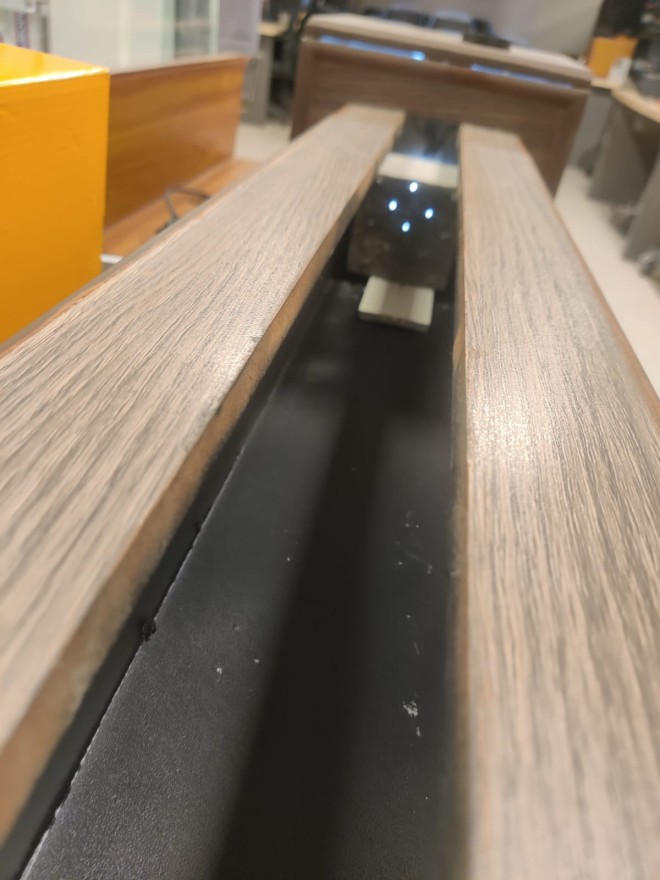
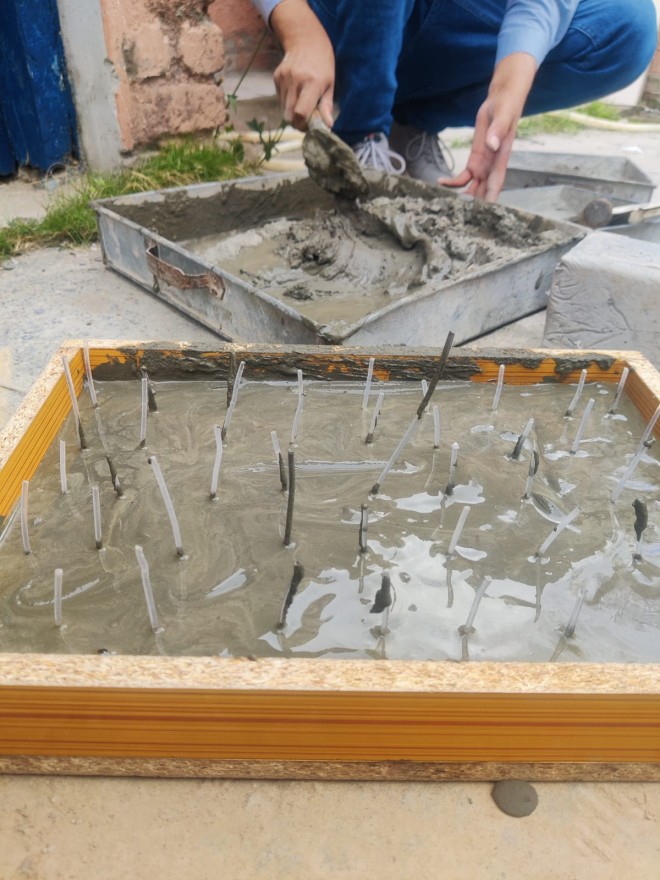
The methodology is the same as that of conventional concrete with one exception of Mould Materials Mix Proportions Mix Design Specialized Wooden Moulds Preparation and Casting of concrete Testing
Outcome
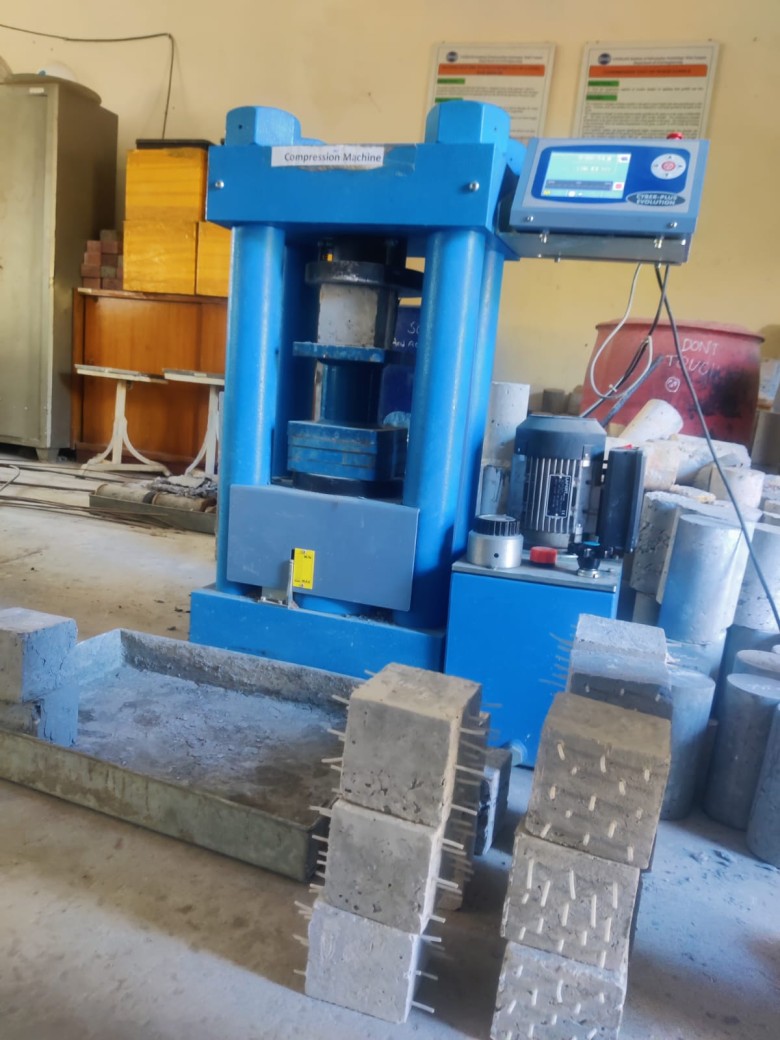
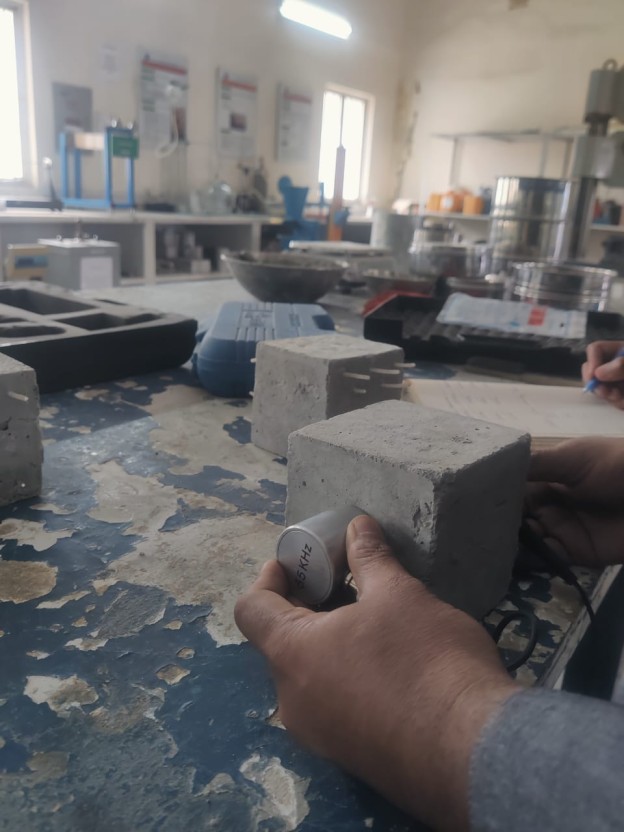
The Final Year Research Project (FYP) aimed to develop translucent concrete using 3mm optical fibers and investigate the impact of graphite nano/micro platelets (GNMPs) on its properties to create a sustainable concrete solution. Lux meter tests revealed a significant increase in room brightness by 25% to 29% in the controlled room, indicating successful light transmittance. In terms of mechanical behavior, compression tests demonstrated that incorporating GNMPs led to improvements in compressive strength over time, with the CFG0.5 mix achieving a peak strength of 31 MPa at 28 days, showing promise for enhanced durability and performance in real-world applications.
Gallery
More from Civil Engineering

Flood Vulnerability Assessment Using GIS Integrated with Multi-Criteria Decision: a Case S…
Flooding, one of the most common and devastating natural disasters in the world, has claimed many lives and de…
Supervisor: Dr. Summera Fahmi Khan
Experimental investigation of concrete incorporating GNMPs( Graphite nano/micro platelets)…
Research and testings are conducted to explore the impact of graphite nano micro platelets (GNMPs) and recycle…
Supervisor: Dr. Rana Faisal Tufail
Mechanical Performance Evaluation of Fly Ash-Based Green Reactive Powder Concrete
Reactive Powder Concrete (RPC) is a type of ultra-high-performance concrete characterized by its high compress…
Supervisor: Engr. Raja Tasaddiq

Prediction of behavior of Recycled Aggregate Concrete by using Artificial Intelligence
The research develops ANN Model used for prediction of different behavior of Recycled Aggregate Concrete. Deve…
Supervisor: Engr. Sandeerah Choudhary