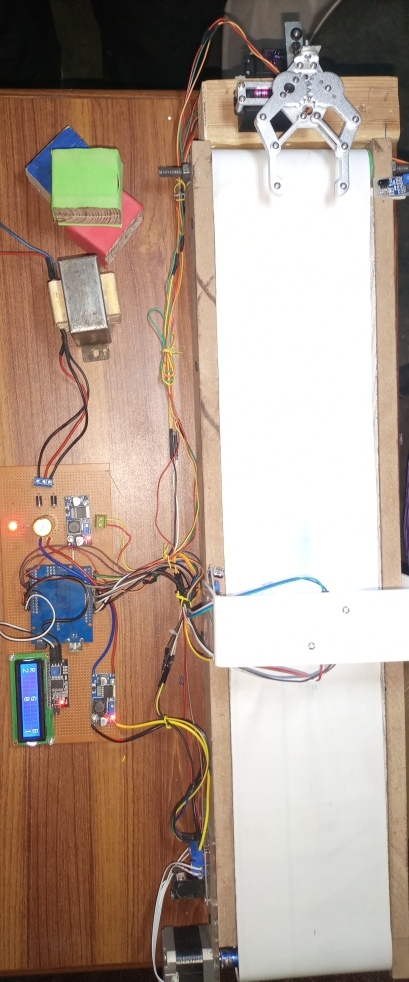
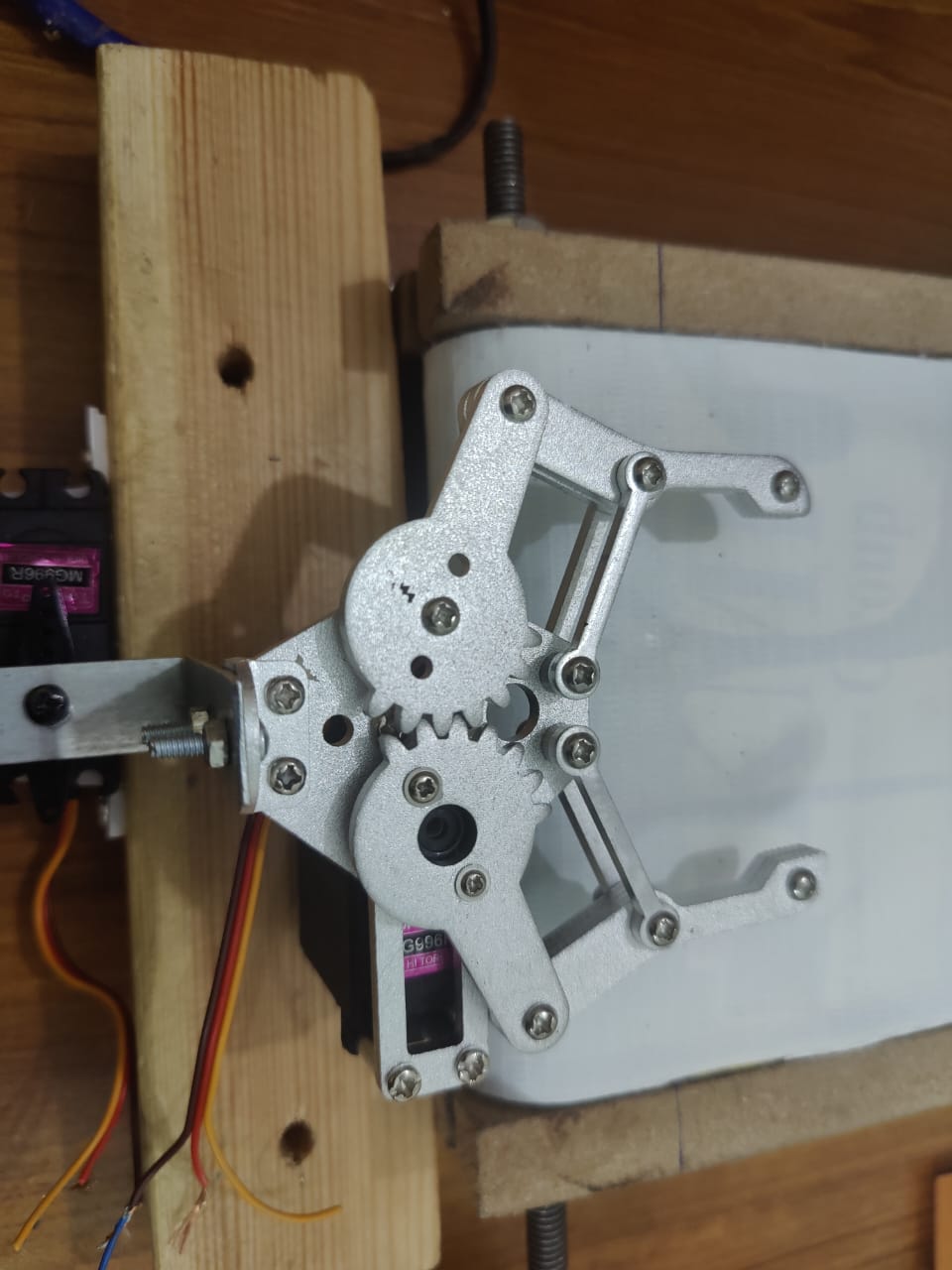
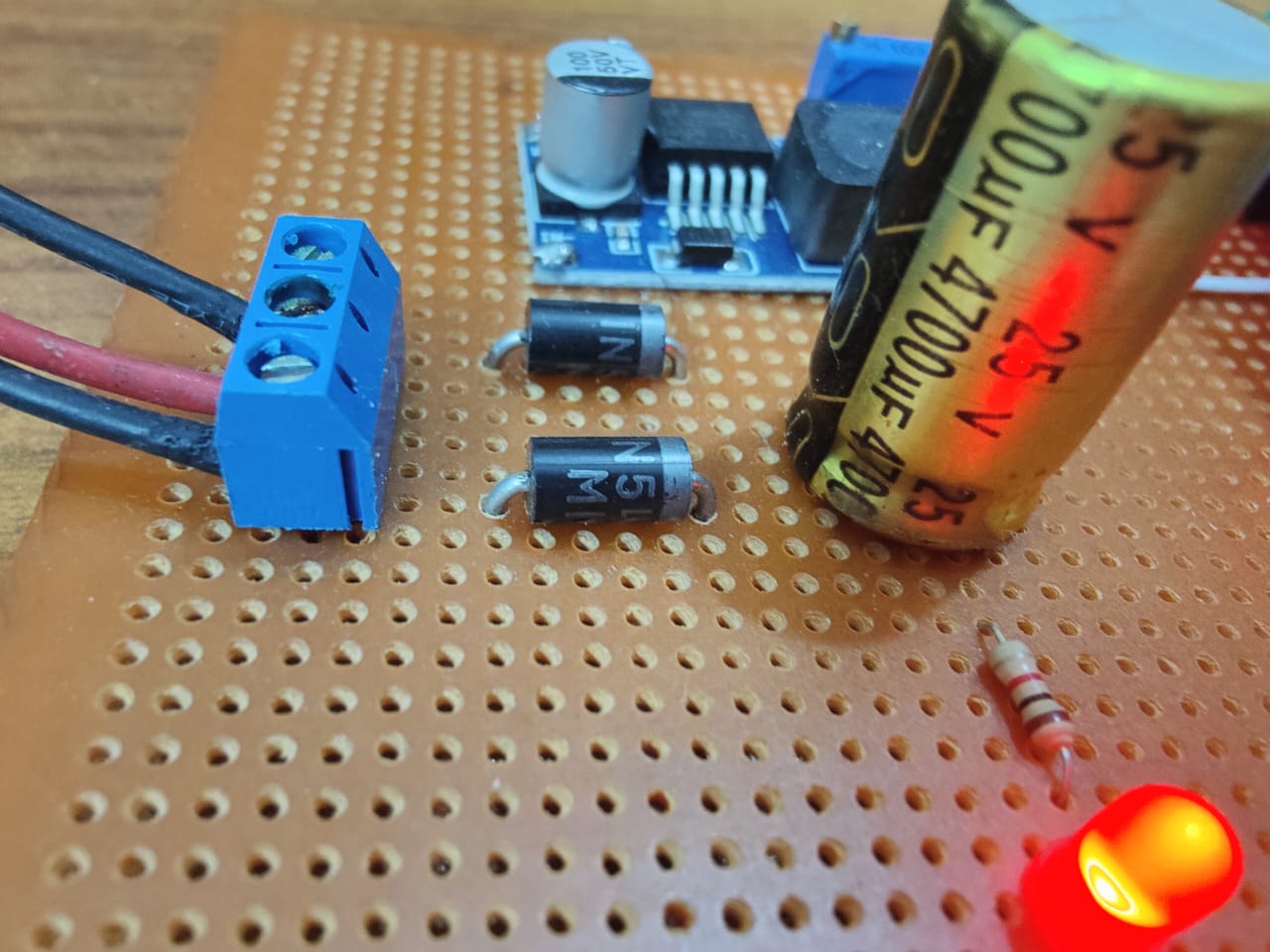
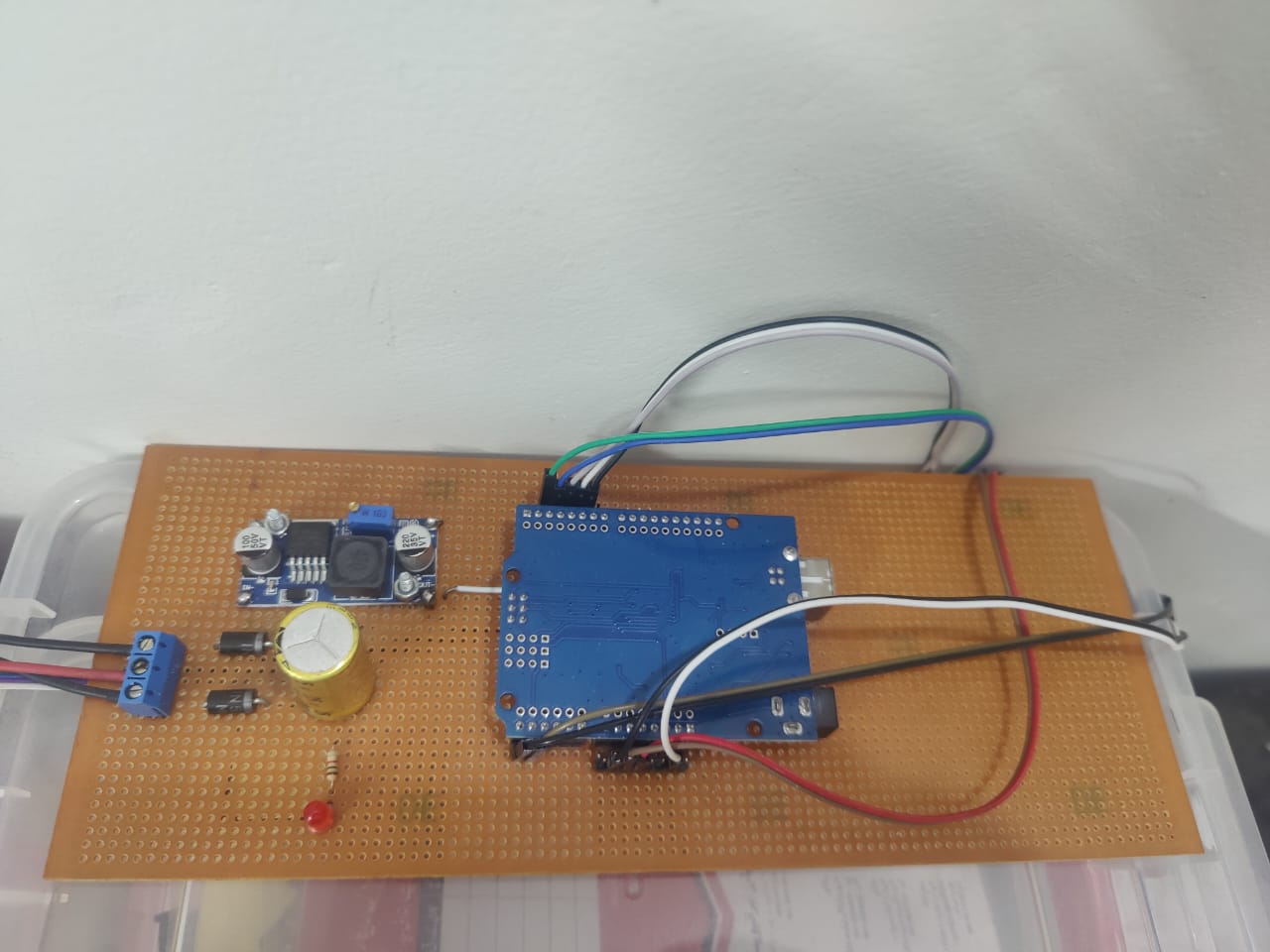
The Color Sorting Machine is a state-of-the-art automated system designed to revolutionize the process of color-based organization. This innovative project combines cutting-edge technologies, such as computer vision, machine learning, and advanced robotics, to deliver a seamless and efficient solution for color sorting tasks. The primary goal of this project is to create aversatile, accurate, and user-friendly machine that can be easily adapted tovarious sorting applications and environments.The project’s main contributions include the design and development of a custom metal sensor array that is capable of detecting the presence of colored objects on a conveyor belt, as well as the design and integration of a gripper that is able to pick up and sort the detected objects. The system is controlled by a microcontroller that processes the sensor data and controls the gripper’s actions.
Objectives
• To develop a functional color sorting system that can accurately sort objects based on color and other parameters, such as size and shape.
• To integrate metal sensors, conveyors, and grippers into the color sorting system to enhance its efficiency and accuracy.
• To design and implement software algorithms that can sense the objects and provide realtime feedback to the sorting system.
• To evaluate the performance of the color sorting system in terms of speed, accuracy, and reliability, and compare it with existing commercial systems.
• To explore the potential applications of the color sorting system in various industries, such as food processing, recycling, and manufacturing, and identify potential areas for further development and improvement.
• To gain hands-on experience in mechanical, electrical, and software engineering, and develop practical skills that can be applied in future projects or professional settings.
• To contribute to the field of automation and robotics by developing a functional color sorting system that can improve efficiency and reduce waste in various industries.
• To demonstrate the potential benefits of integrating advanced technologies, such sensors and image processing algorithms.
Socio-Economic Benefit
• Increased Efficiency: These machines can sort objects based on color at a far higher speed than humans can, increasing the productivity of any industry that relies on color sorting, such as food processing, recycling, or manufacturing industries. This increased productivity could lead to higher profits for businesses and more affordable products for consumers.
• Job Creation: While automation sometimes leads to job loss, it also creates new jobs. The design, manufacture, installation, and maintenance of these machines will require skilled labor, creating jobs for engineers, technicians, and others.
• Reduced Waste: In industries like food processing, a color sorting machine can help to more accurately sort products based on ripeness or quality,reducing waste and improving overall efficiency.
•Education and Skill Development: Projects like these can serve as an excellent educational tool for teaching concepts related to programming, electronics, and automation. This can help prepare individuals for high-tech jobs, benefiting both the individuals and the economy as a whole.
•Environmental Benefits: In the context of recycling, a color sorting machine could significantly improve the efficiency and effectiveness of sorting different materials for recycling, leading to better resource conservation and less environmental pollution.
Methodologies
The methodology for the color sorting machine project using Arduino involves several steps to design, build, and program the system. Here's an overview of the general methodology:
Project Planning: Clearly define the project objectives, scope, and requirements. Determine the type of color sensor, conveyor system, and actuator mechanism to be used based on the project specifications.
Hardware Setup:
a. Connect the Arduino board to the computer and install the Arduino IDE.
b. Connect the color sensor module to the Arduino board following the provided pin connections.
c. Set up the conveyor system and ensure it can move objects smoothly past the color sensor.
Software Development:
a. Write the firmware code in the Arduino IDE. Define the necessary variables, pin configurations, and setup function.
b. Implement the color sensor integration code to read RGB values from the sensor.
c. Develop a sorting algorithm based on the RGB values obtained from the color sensor. Determine the color thresholds and assign appropriate bin numbers.
d. Write the code to control the actuators and divert objects into the correct bins based on the sorting algorithm's output.
Testing and Calibration:
a. Upload the firmware code to the Arduino board and test the system's functionality.
b. Calibrate the color sensor by adjusting the color thresholds to ensure accurate color detection.
c. Fine-tune the sorting algorithm and adjust the actuator mechanism if necessary to improve sorting accuracy.
Integration and Deployment:
a. Integrate all the hardware components, including the Arduino board, color sensor, conveyor system, and actuators, into a complete system.
b. Perform comprehensive testing to verify the overall functionality and sorting accuracy of the color sorting machine
.
c. Make any final adjustments or modifications to optimize the system's performance.
Documentation and Maintenance:
a. Document the project, including the hardware setup, firmware code, and any modifications made.
b. Provide user instructions and guidelines for operating and maintaining the color sorting machine.
c. Regularly monitor and maintain the system to ensure its proper functioning over time.
By following this methodology, you can successfully design and develop a color sorting machine using Arduino, effectively sorting objects based on their colors.
Outcome
•The cost effective system was designed to perform the continuous and reliable tasks without human errors using the simplest concepts.
•The colour sorting machine saves work, saves resources, and provides high
efficiency with considerably lower production costs as compared with manual
sorting. This will greatly increase the accuracy of content to give consumers
all over the world positive effects.
•Automated machinery reduces labour costs and managerial problems. It also
shores to a large extent the established margin of error, primarily humanerrors.
•Manufacturers can quickly assess and refuse the difference in colour and
texture. This allows the items to be further regulated by sorting the item into
many groups.
In this project, we have investigated and developed a color sorting system that
successfully identifies and sorts objects based on their color. We have tested the system on various objects and achieved high accuracy rates.