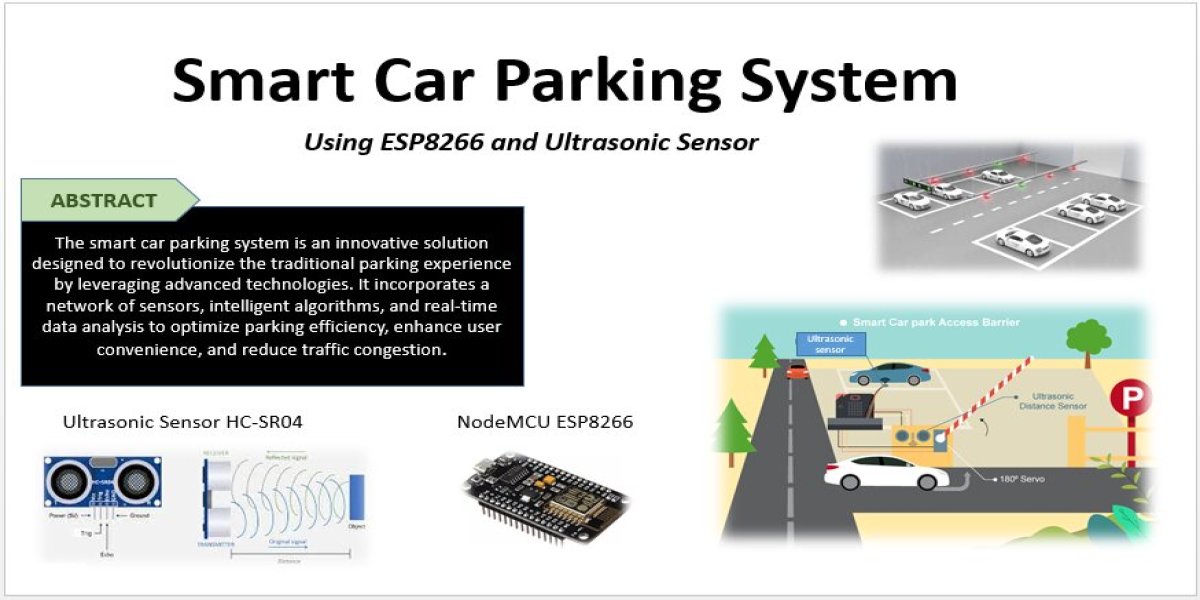
A smart car parking system is an advanced technology-driven solution designed to efficiently manage and streamline the process of parking vehicles in parking lots. It utilizes technology such as sensors, and software to automate and optimize parking operations.
Objectives
1. The main objective of this project is to reduce the risk of finding parking slots in a parking area.
2. It eliminates the unnecessary traveling of vehicles across the filled parking slots in a city by highlighting the available slots in the parking area.
3. Real-Time Monitoring.
Socio-Economic Benefit
Smart car parking systems offer several socio-economic benefits that can positively impact communities and individuals. Here are some of the key socio-economic benefits:
1. Reduced traffic congestion.
2. Time and fuel savings.
3. Enhanced economic activity.
4. Improved air quality and environmental sustainability.
Methodologies
When developing a smart car parking system using NodeMCU and an ultrasonic sensor, you can employ various project methodologies. Here's a suggested methodology that can be used as a guideline:
1. Define project requirements and scope: Clearly identify the objectives of the smart car parking system. Determine the number of parking spaces to monitor, desired features (e.g., availability status, real-time data, notifications), and any specific constraints or limitations.
2. Research and gather components: Identify the necessary hardware components such as NodeMCU (an ESP8266-based microcontroller), ultrasonic sensors, jumper wires, and breadboard. Ensure compatibility and availability of the components.
3. Design the system architecture: Develop a high-level overview of the smart car parking system's architecture. Determine how the NodeMCU will connect to the ultrasonic sensors, how the data will be processed, and how the system will communicate with users or a centralized server.
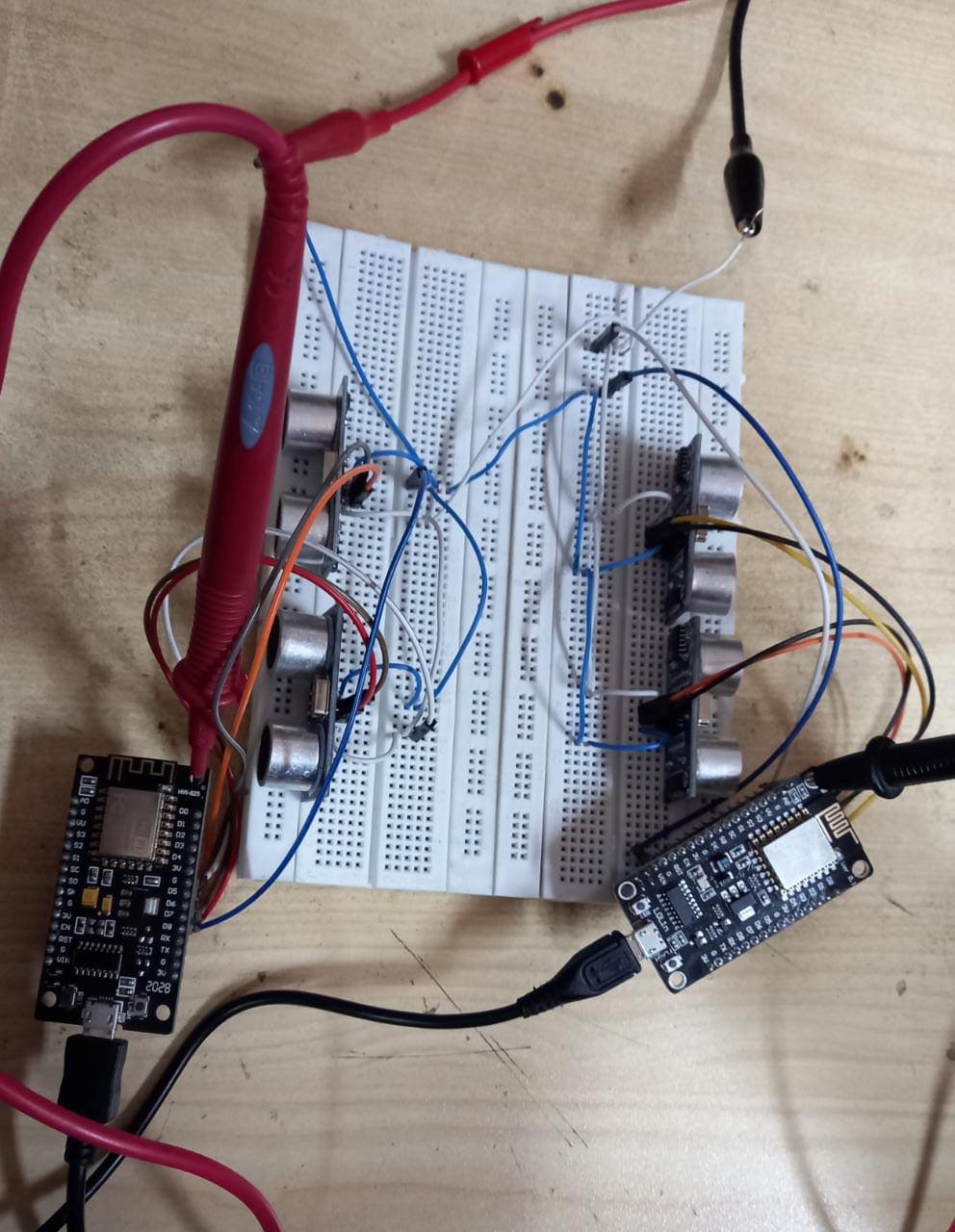
4. Implement hardware setup: Connect the ultrasonic sensors to the NodeMCU using appropriate wiring and a breadboard. Follow the datasheets and pin configurations to establish the connections correctly. Ensure proper power supply and grounding.
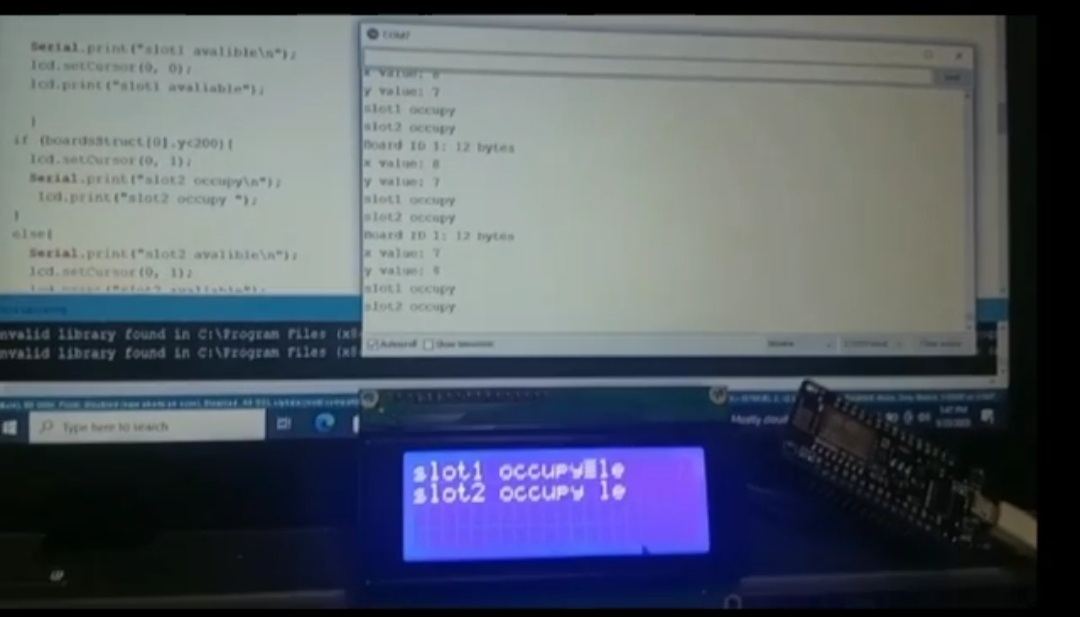
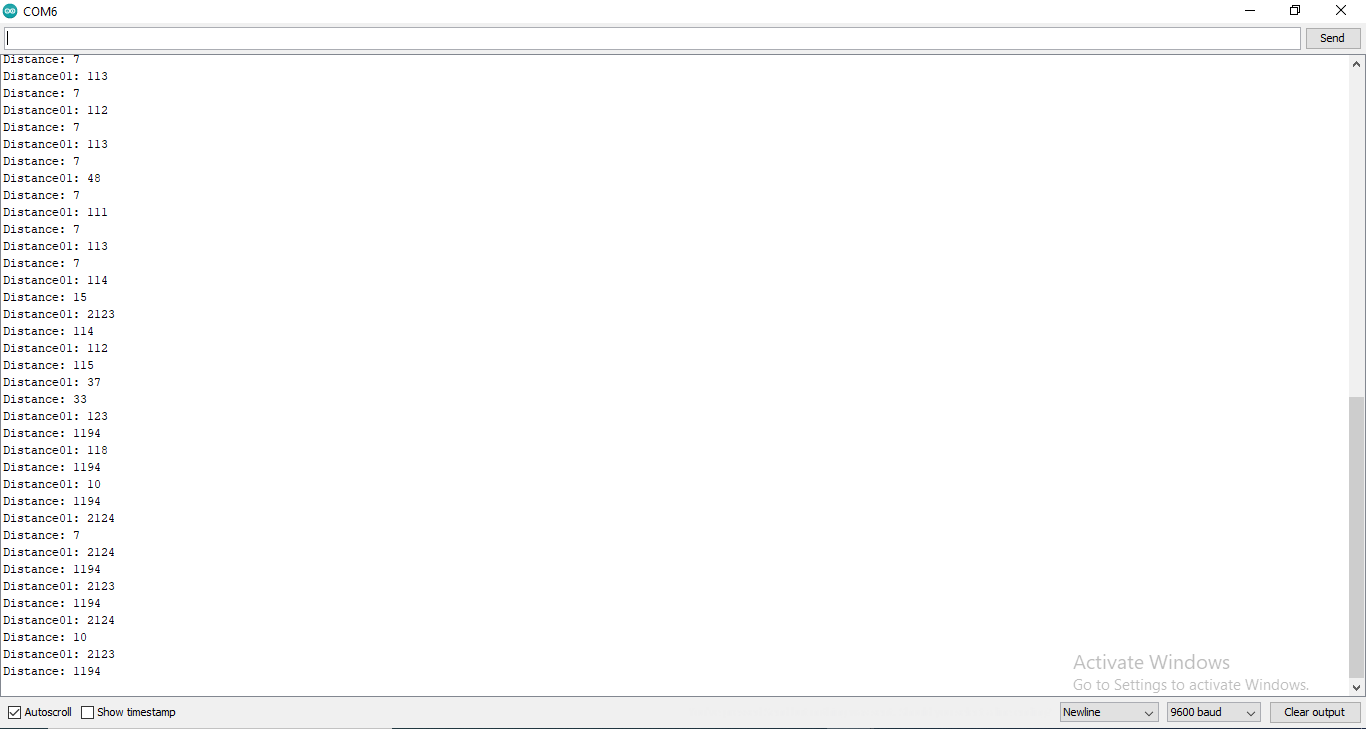
5. Develop firmware/software: Write the firmware or software that runs on the NodeMCU to control the ultrasonic sensors and process the data. You can use Arduino IDE or other compatible programming environments. Implement the necessary algorithms to calculate distance and parking space availability based on the sensor readings.
6. Test and debug: Perform thorough testing of the entire system, including hardware connections, sensor readings, data transmission, and user interaction. Debug any issues or errors encountered during the testing phase.
Outcome
1. Smart Car Parking System is a highly efficient and effective solution for managing parking spaces. It incorporates advanced technologies and automation to streamline the parking process, providing numerous benefits to both drivers and parking operators.
2. This system eliminates the hassle of manually searching for parking spots.
3. This system optimizes space utilization by maximizing the capacity of parking areas. Through intelligent algorithms and sensors, it ensures that parking spots are efficiently allocated, reducing the wastage of valuable parking space. This not only improves the utilization rate but also helps alleviate parking shortages in busy urban areas.
By achieving these outcomes, the smart car parking system using NodeMCU and an ultrasonic sensor improves the efficiency, convenience, and overall user experience of parking management while optimizing parking space utilization and contributing to smarter urban environments.