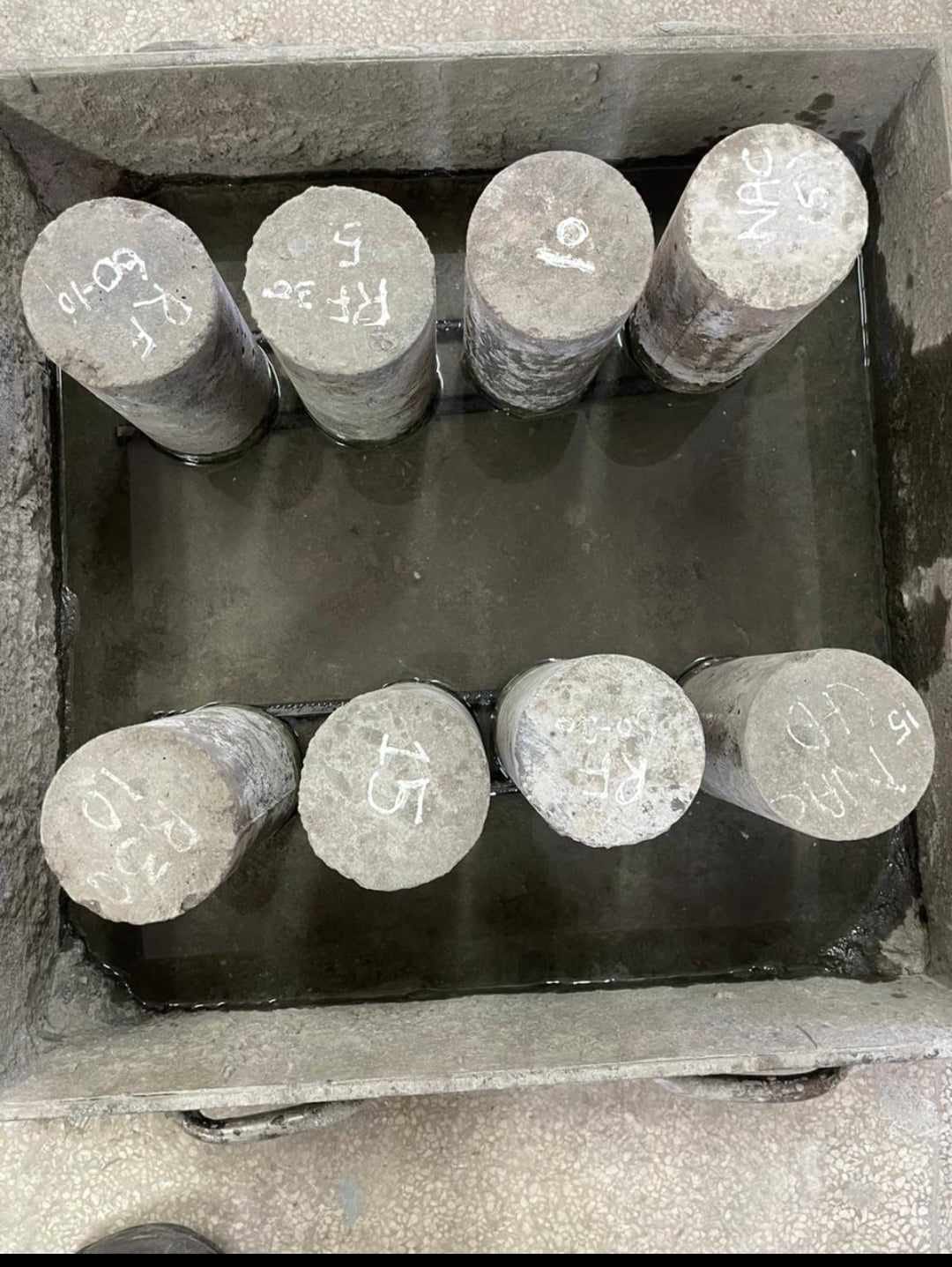
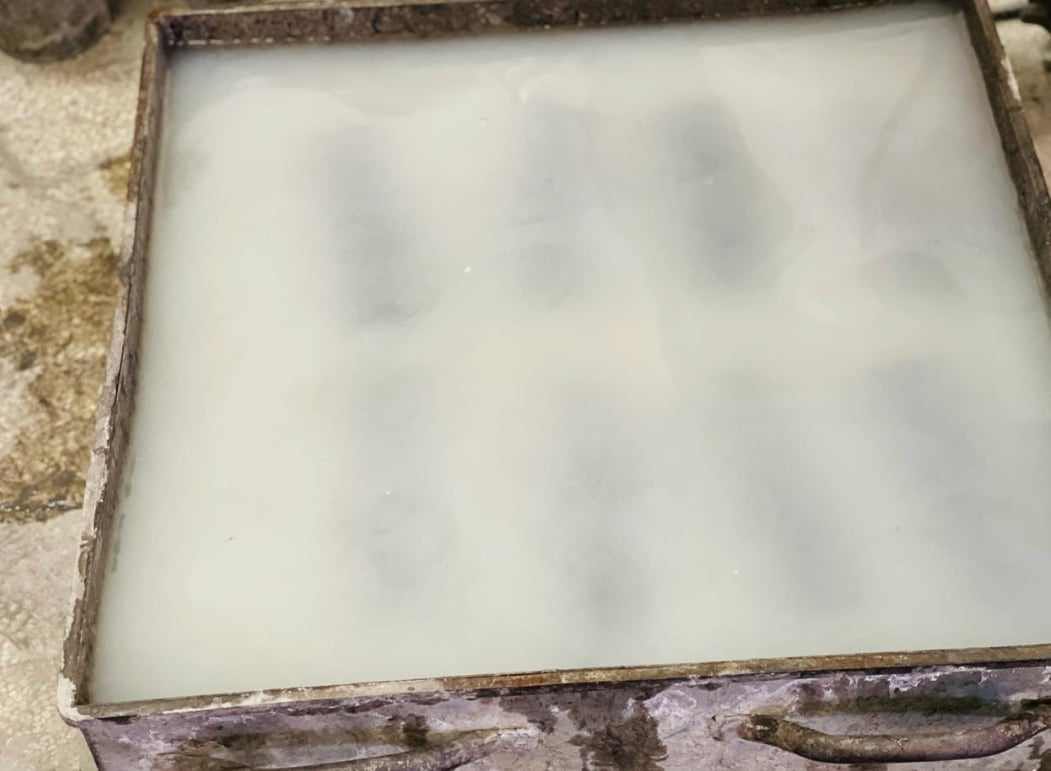
This study investigated the strength and durability of geopolymer concrete (GPC) made from a blend of fly ash (FA) and ground granulated blast furnace slag (GGBFS), with partial replacement of FA by ordinary Portland cement (OPC) at varying levels (0%–30%). Recycled aggregates (RAs) were incorporated, along with OPC, to enhance environmental sustainability. The performance of the developed Cement additive Geopolymer Recycled aggregate Concrete (CGRC) was assessed for workability, mechanical properties (compressive, splitting tensile, and flexural strengths), and durability (water absorption, sorptivity, acid and marine environment resistance, and electrical resistivity). Results indicated that OPC inclusion enhanced early strength at 20% addition of cement and improved durability.
Objectives
Enhancement of mechanical properties of Recycled Aggregate GPC (Compressive Strength, Flexural Strength, Splitting Tensile Strength)
Durability properties of Enhanced GPC
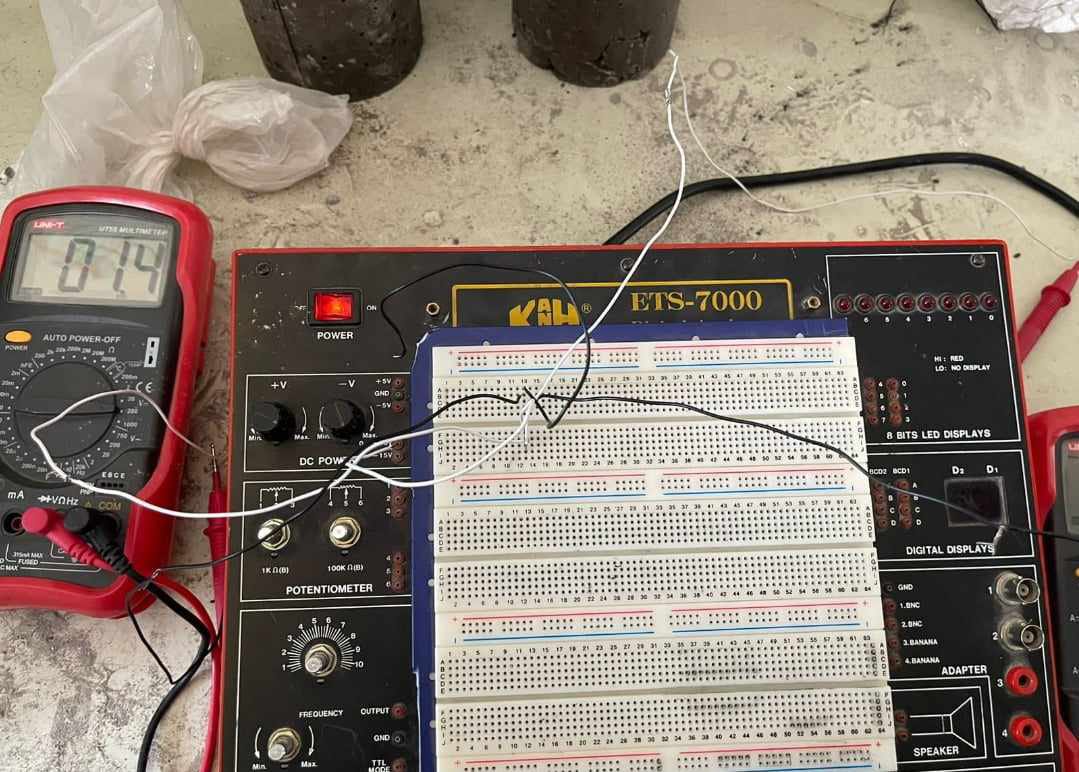
(Water absorption, Sorptivity, Electric resistivity)
Socio-Economic Benefit
Environmental Sustainability: Using recycled aggregates reduces carbon emissions.
Reduced Waste: Incorporating recycled materials in construction projects helps to reduce the amount of waste sent to landfills
Community Benefits: P sustainable materials can improve the image of a community.
Methodologies
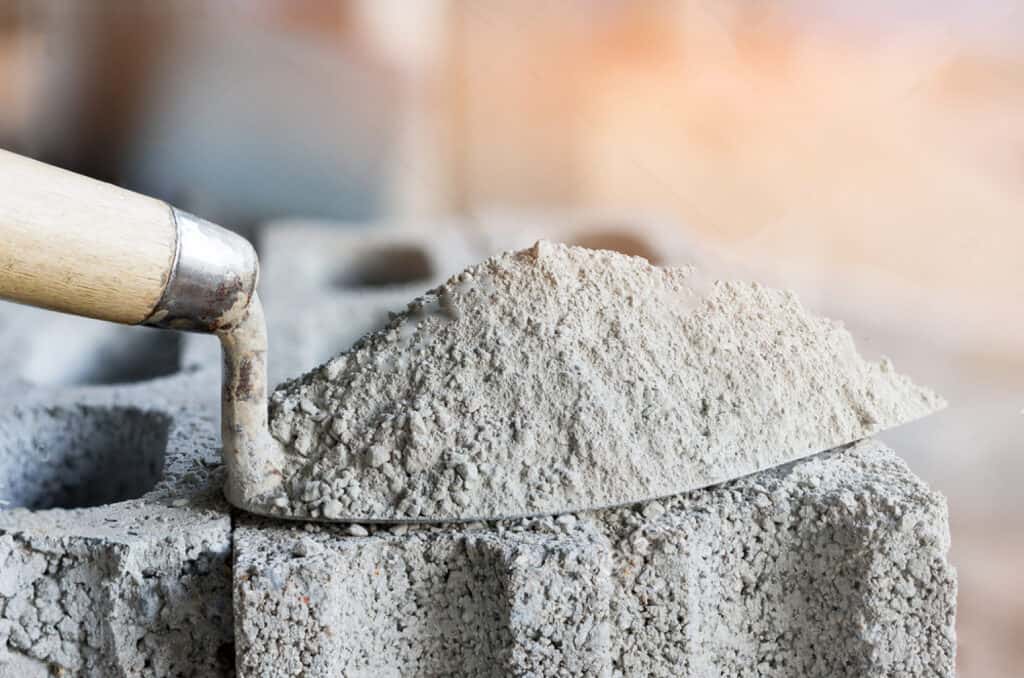
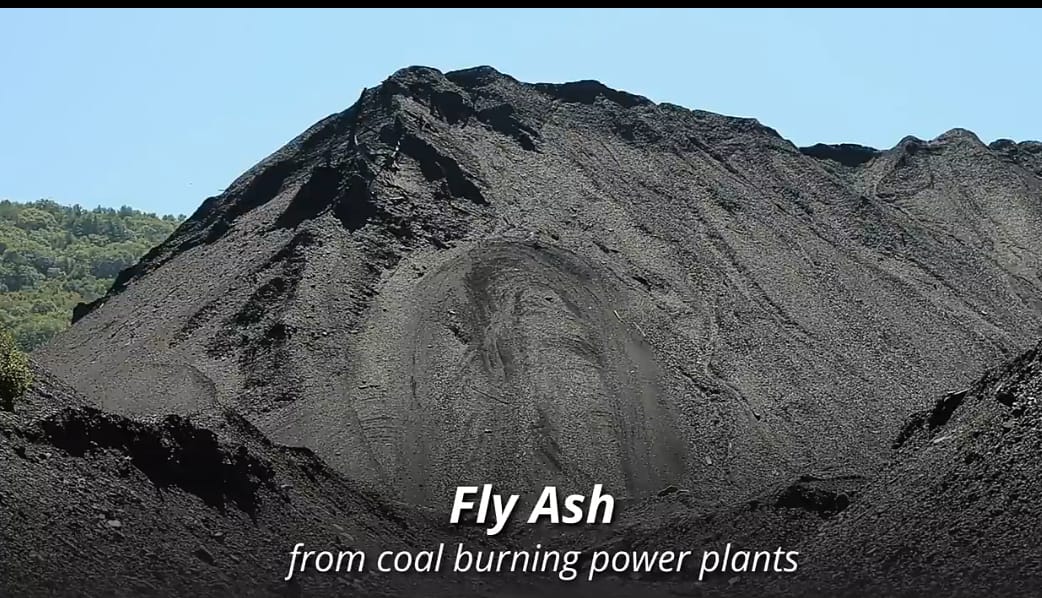
Cement was used as a partial replacement for fly ash with GGBFS as a binder.
70% fly ash and 30% GGBFS Were used as binder Cement was replaced by the increment of 5% replacement of fly ash sodium silicate and sodium hydroxide solution was used as an alkaline activator.
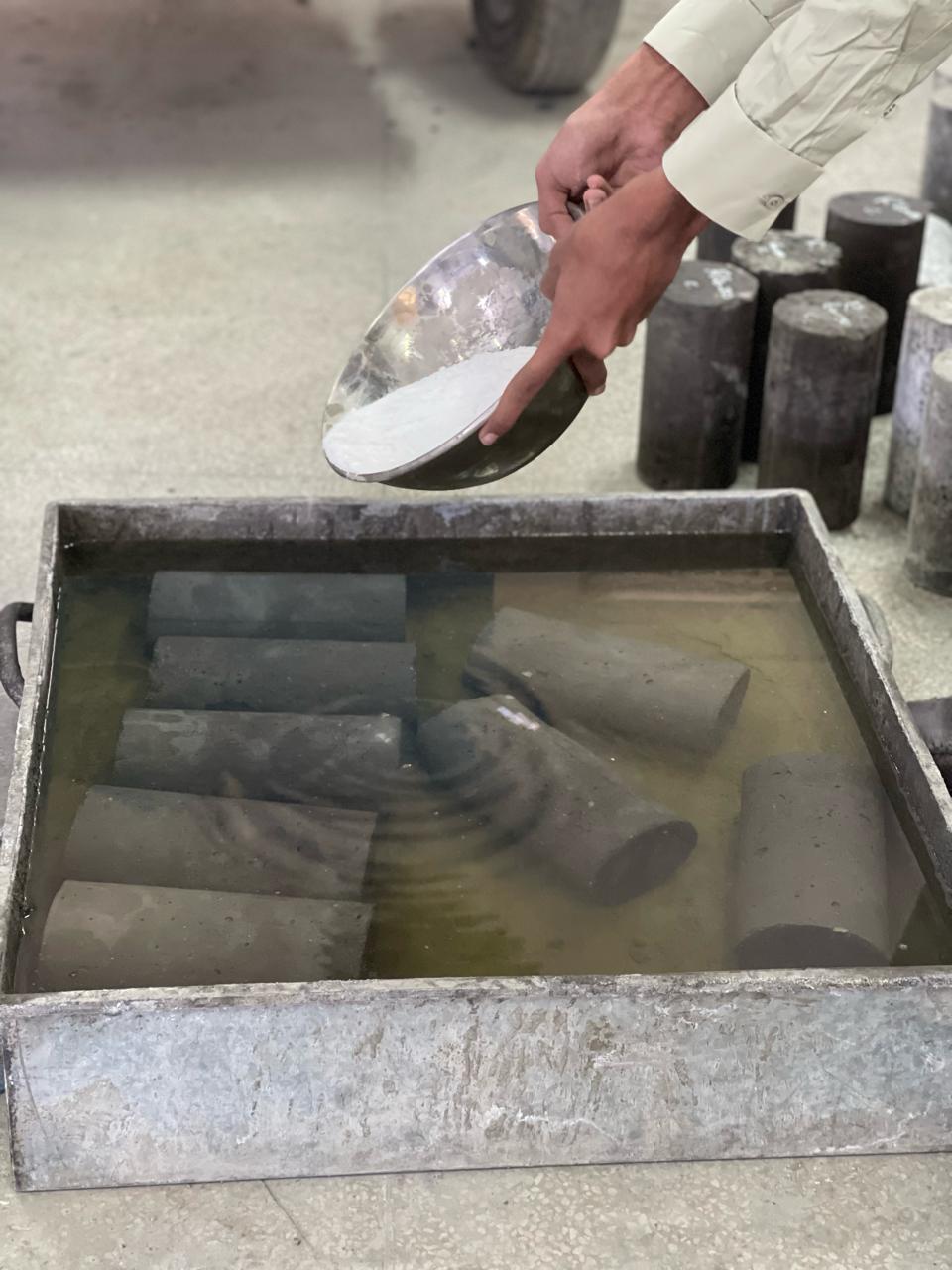
Samples are tested for their strength and durability through compression and splitting tensile tests. The results are then visible in graphs using Microsoft Excel.
Outcome
Optimal Mix: Incorporating 20% OPC and 30% RA in GPC offers the best balance of strength and durability.
Strength: Early strength is significantly improved with 20% OPC, while higher RA content reduces strength.
Durability: Enhanced with OPC, evidenced by better performance in water absorption, sorptivity, and electrical resistivity tests.
Environmental Impact: The use of RA contributes to sustainability in construction.