Cement treated base (CTB) offers a cost-effective and durable solution in road construction, blending the strength of cement with the flexibility of traditional base materials. By stabilizing soil with cement, CTB enhances load-bearing capacity, reducing the need for extensive excavation and expensive aggregate replacement. This application optimizes construction budgets by minimizing material expenses and construction time. Moreover, CTB's durability ensures longevity, resisting wear and tear from heavy traffic and adverse weather conditions. Its low maintenance requirements further contribute to long-term cost savings. Overall, CTB stands as a reliable and efficient choice for road infrastructure, combining cost-effectiveness with robust performance to meet the demands of modern transportation networks.
Objectives
Evaluate the cost-effectiveness of cement-treated base (CTB) compared to traditional base materials in road construction projects.
Analyze the durability and long-term performance of CTB in varying environmental conditions and traffic loads.
Assess the reduction in maintenance costs associated with CTB compared to alternative base materials over the lifecycle of the road.
Investigate the impact of CTB on construction timelines and project schedules, considering its potential for accelerating project completion and minimizing disruptions.
Examine the engineering properties of CTB, including its strength, stability, and resistance to rutting and cracking, to determine its suitability for different types of road projects.
Identify any potential challenges or limitations associated with the application of CTB in road construction and propose strategies for mitigation.
Provide recommendations for optimizing the use of CTB based on a comprehensive analysis of its cost-effectiveness and durability in road infrastructure projects.
Socio-Economic Benefit
Socio-Economic Benefits of Implementing Cement Treated Base (CTB) in Road Construction Projects:
Improved Accessibility: By enhancing road infrastructure with CTB, communities gain better access to essential services such as healthcare, education, and employment opportunities. This accessibility fosters economic growth by facilitating the movement of goods and people.
Cost Savings for Communities: Utilizing CTB can lead to significant cost savings for local governments and communities. Reduced maintenance needs and extended road lifespans translate to lower long-term infrastructure expenditures, allowing for allocation of funds to other critical social programs.
Enhanced Safety: CTB's durability and stability contribute to safer road conditions, reducing the risk of accidents and injuries. Improved road surfaces minimize vehicle wear and tear, lowering maintenance costs for drivers and transportation companies.
Boost to Local Economy: The construction and maintenance of roads using CTB create employment opportunities for local residents, stimulating economic activity within the community. Additionally, improved road networks attract businesses and investors, driving economic development and job creation.
Environmental Benefits: CTB offers environmental advantages by reducing the need for natural resources such as aggregates and minimizing carbon emissions associated with road construction. Moreover, fewer disruptions due to maintenance and repairs result in reduced traffic congestion and lower fuel consumption, leading to decreased air pollution.
Social Inclusion: Accessible and well-maintained roads promote social inclusion by connecting rural and remote areas to urban centers. This connectivity facilitates social interaction, cultural exchange, and access to essential services, thereby reducing disparities and enhancing overall quality of life for residents.
Attraction of Investment: High-quality road infrastructure supported by CTB can attract private investment in various sectors, including tourism, agriculture, and manufacturing. Improved transportation networks make areas more attractive for investment, leading to economic diversification and prosperity.
Resilience to Climate Change: CTB's durability and resistance to weather-related deterioration make road networks more resilient to the impacts of climate change, such as extreme temperatures and precipitation events. This resilience ensures continued access to vital services and economic opportunities, even in challenging environmental conditions.
In summary, the socio-economic benefits of implementing CTB in road construction projects extend beyond cost-effectiveness and durability, encompassing improved accessibility, safety, environmental sustainability, and economic development for communities and regions.
Methodologies
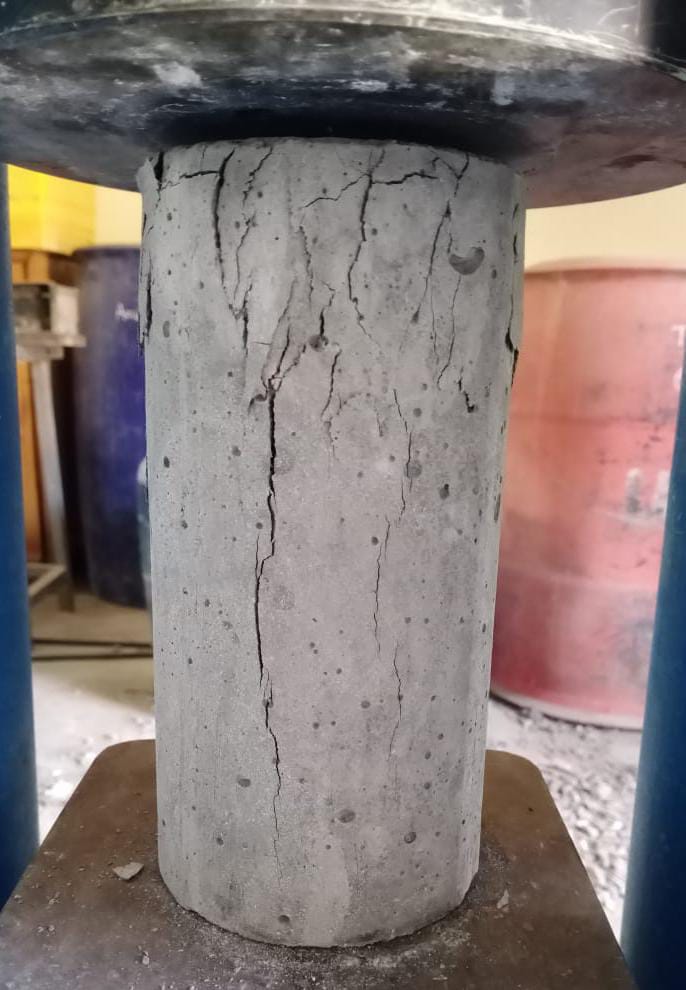
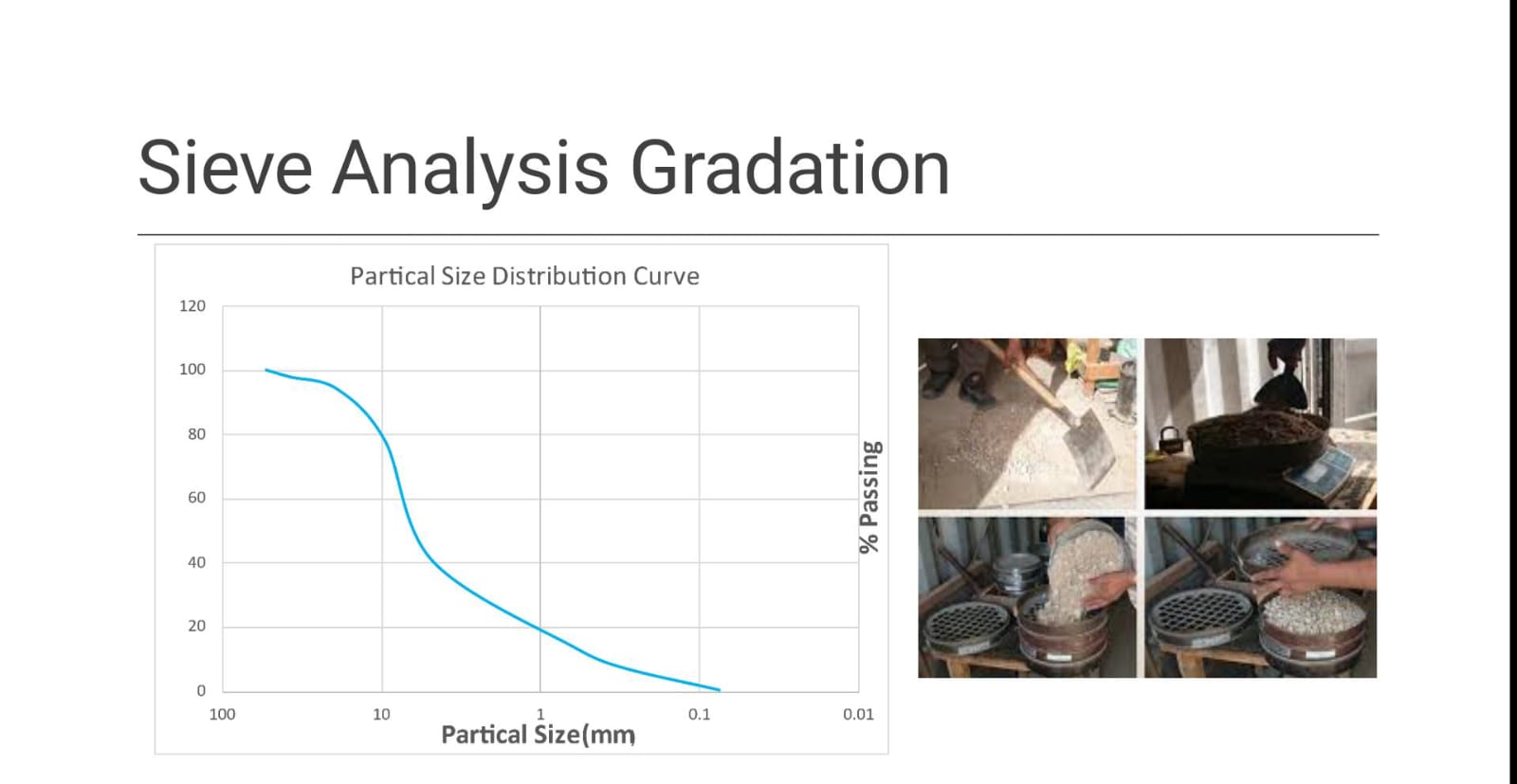
material collection, set gradation by using sieve analysis, modify proctor test, mix design, molding, compressive strength test, road design (conventional road and (CTB) , BOQS Compression
Outcome
The successful implementation of cement treated base (CTB) in road construction projects is expected to yield several key outcomes:
Enhanced Infrastructure: Roads constructed using CTB will exhibit improved durability, strength, and stability, resulting in a reliable transportation network capable of accommodating heavy traffic loads and adverse weather conditions.
Cost Savings: By reducing the need for frequent maintenance and repairs, CTB will lead to cost savings for government agencies and communities, allowing for more efficient allocation of resources to other pressing needs.
Extended Lifespan of Roads: The use of CTB will prolong the lifespan of roads, minimizing the frequency of major rehabilitation or reconstruction projects and ensuring sustained access to communities and economic centers.
Improved Safety: CTB-treated roads will offer safer travel conditions for motorists, pedestrians, and cyclists, reducing the risk of accidents and injuries associated with deteriorating road surfaces.
Economic Growth: Enhanced road infrastructure supported by CTB will stimulate economic growth by facilitating the movement of goods and people, attracting investment, and promoting commerce and trade within and between regions.
Environmental Sustainability: The adoption of CTB will contribute to environmental sustainability by reducing the consumption of natural resources, lowering carbon emissions, and minimizing the ecological footprint associated with road construction and maintenance activities.
Social Inclusion: Improved road accessibility will promote social inclusion by connecting underserved communities to essential services, educational opportunities, healthcare facilities, and employment centers, thereby reducing disparities and enhancing overall quality of life.
Resilience to Climate Change: CTB-treated roads will exhibit greater resilience to the impacts of climate change, ensuring continued access to critical infrastructure and economic opportunities in the face of extreme weather events and changing environmental conditions.
Overall, the implementation of CTB in road construction projects is expected to deliver sustainable, cost-effective, and socially inclusive outcomes, benefiting communities, economies, and the environment alike.