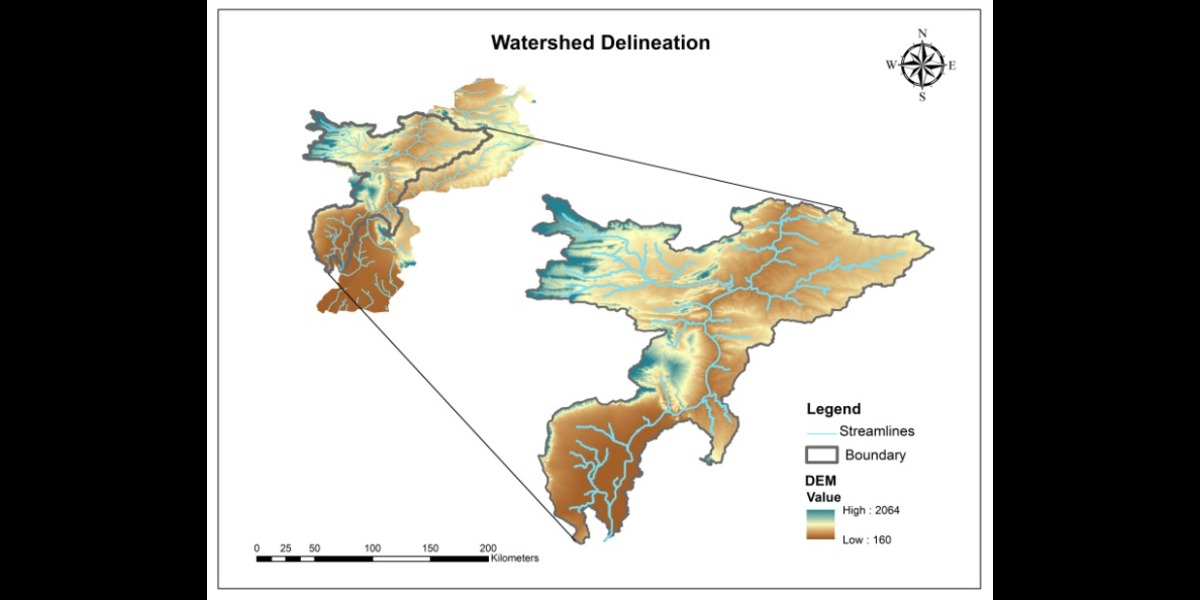
The Chashma-Attock Catchment Area faces several challenges in flood mitigation, as seen in the 2022 Indus floods. Inadequate infrastructure, including dams and embankments, exacerbates flooding risks. Poor urban planning and deforestation worsen runoff, intensifying floods. Limited early warning systems hamper timely evacuation efforts. Socioeconomic disparities affect vulnerability, with marginalized communities bearing the brunt. Coordination gaps among stakeholders hinder effective response and recovery. Long-term solutions demand holistic approaches integrating engineering, environmental conservation, and community resilience measures.
Objectives
- Flood Analysis: The project conducted in-depth analysis of past flood events in the Chashma-Attock catchment area, examining factors such as precipitation patterns, river discharge, and topography to understand the dynamics of flooding.
- Flood Forecasting: Advanced modeling techniques were utilized to forecast future flood events in the catchment area, providing timely warnings and enabling proactive measures to mitigate potential damages.
- Flood Mitigation: Various strategies were implemented based on the findings of the analysis and forecasting, including structural measures like embankments and reservoir management, as well as non-structural measures such as community preparedness and land use planning, to reduce the impact of flooding in the region.
Socio-Economic Benefit
Flood mitigation offers numerous socio-economic benefits, contributing to the overall well-being of communities and economies. Here are some of the key advantages:
Reduced Economic Losses: Flood mitigation measures such as levees, floodwalls, and stormwater management systems can significantly decrease the economic impact of floods by preventing or minimizing property damage, infrastructure destruction, and business disruptions. This preservation of assets translates into cost savings for individuals, businesses, and governments.
Protection of Infrastructure: Flood mitigation safeguards critical infrastructure like roads, bridges, power lines, and water treatment facilities from damage caused by flooding. Preserving infrastructure integrity ensures continued functionality and reduces repair costs, as well as maintaining essential services that communities rely on for daily life and economic activity.
Enhanced Public Safety: By reducing the frequency and severity of flooding events, mitigation efforts improve public safety by lowering the risk of injury or loss of life. This fosters community resilience and confidence in local authorities' ability to manage natural disasters, leading to increased societal well-being and cohesion.
Lower Insurance Costs: Effective flood mitigation can lead to reduced insurance premiums for individuals and businesses located in flood-prone areas. Insurers often offer lower rates to properties protected by flood control measures due to the decreased likelihood of claims, thereby making insurance more affordable and accessible.
Improved Land Use and Development: Flood mitigation measures allow for safer and more sustainable land use and development practices in flood-prone areas. By mitigating flood risks, these areas become more attractive for investment and development, leading to increased property values, economic growth, and job creation.
Environmental Benefits: Some flood mitigation strategies, such as the restoration of wetlands and the creation of green infrastructure, offer environmental co-benefits. These measures help preserve natural habitats, enhance biodiversity, improve water quality, and mitigate climate change impacts, contributing to the overall health and resilience of ecosystems.
Long-Term Cost Savings: While implementing flood mitigation measures may require upfront investment, they often yield significant long-term cost savings compared to the expenses associated with responding to and recovering from flood disasters. Investing in prevention and preparedness measures can therefore result in a more cost-effective and sustainable approach to managing flood risks over time.
Overall, the socio-economic benefits of flood mitigation extend beyond immediate risk reduction, offering opportunities for community prosperity, environmental stewardship, and enhanced quality of life.
Methodologies
- Collection of data sets: Data sets were gathered from various sources to provide information for analysis and modeling purposes.
- Analysis of data sets: The collected data sets were examined and interpreted to identify patterns, trends, and insights relevant to hydrological conditions and flood risks.
- Hydrological Modeling: Mathematical models were developed based on the analyzed data to simulate and understand the behavior of water systems, aiding in flood prediction and management.
- Structural Needs for Flood Mitigation: Past flood events prompted assessments of infrastructure requirements such as levees, dams, and floodwalls to reduce flood impacts.
- Forecasting: Using historical data and modeling techniques, predictions were made about future hydrological conditions and potential flood occurrences.
- *Non-Structural Needs*: Strategies like land-use planning, zoning regulations, and public awareness campaigns were implemented to complement structural measures and enhance flood resilience.
Outcome
- Structural Measures: The construction of levees, dams, seawalls, and canal systems aims to physically prevent or mitigate flood damage by controlling water flow and providing barriers against inundation.
- Non-Structural Measures: Implementing an early warning system, improving land use planning, and promoting flood insurance coverage are strategies to enhance preparedness, minimize vulnerability, and facilitate effective response and recovery efforts in flood-prone areas.