Design and Integration of Accelerator with RISC-V Microprocessor
Description
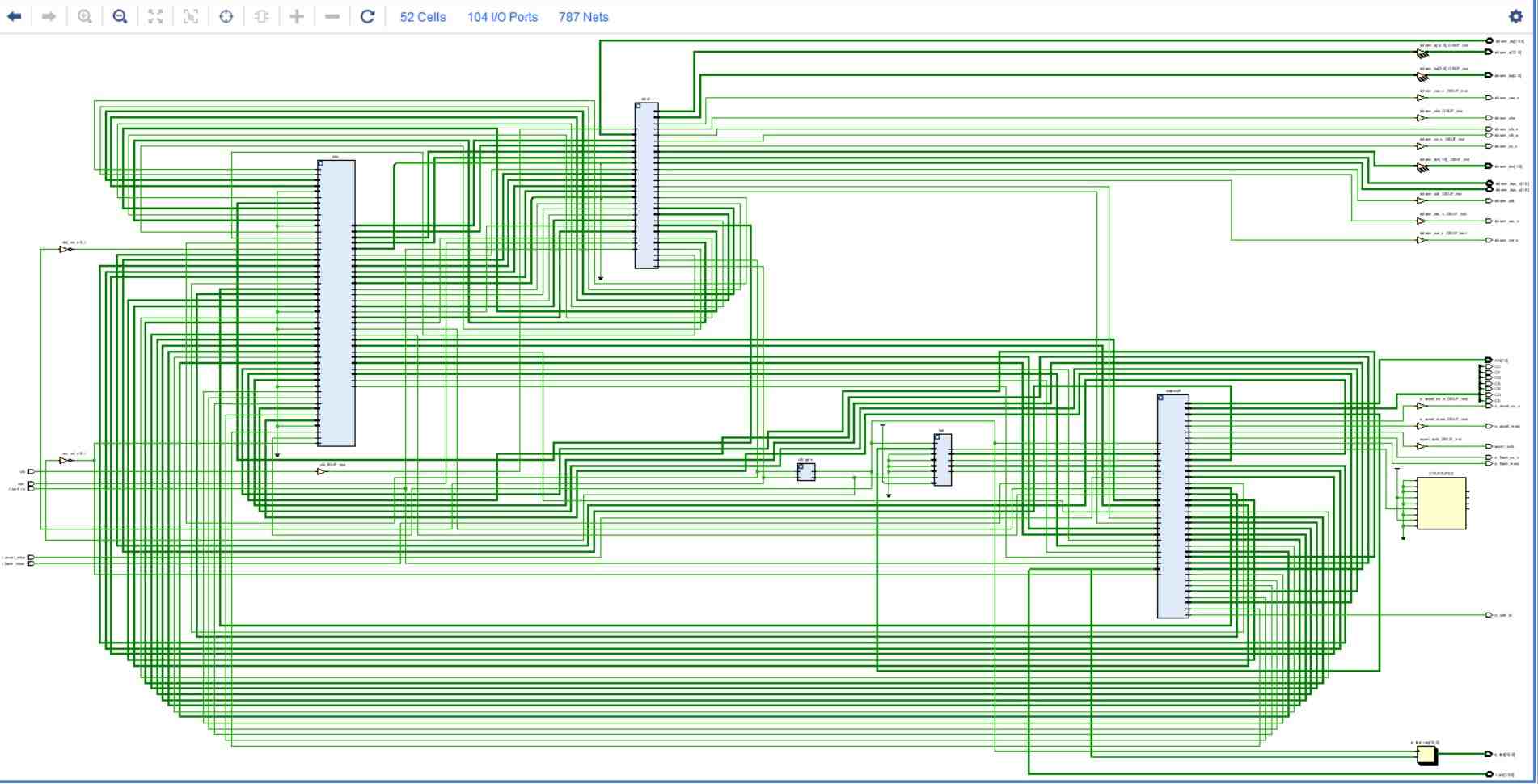
This project implements a highly configurable Multiply-Accumulate (MAC) accelerator tightly coupled to the open-source SweRV EH1 RISC-V core via a memory-mapped AXI4-Full interface. The unit supports 2×2, 4×4, 8×8 and 16×16 multiply modes with on-the-fly selection of accumulate and clear operations. When mapped to Xilinx FPGAs, it delivers over 4× speed-up on MAC-heavy kernels while occupying minimal area. This work showcases an efficient hardware-software co-design for embedded signal-processing and machine-learning applications on RISC-V.
Objectives
The objective of this project was to develop and integrate a flexible, high-throughput Multiply-Accumulate (MAC) accelerator into the open-source SweRV EH1 RISC-V core—delivering multi-precision (2×2 to 16×16) MAC operations selectable at runtime—using a memory-mapped AXI4-Full interface, to achieve significant speed-ups on signal-processing and machine-learning workloads with minimal area and software overhead.
Socio-economic benefit
Cost Savings: Open-source RISC-V and compact FPGA MAC lower hardware licensing and BOM costs. Energy Efficiency: 4× faster MACs slash power vs. CPU-only, reducing operational bills. Democratization: Enables startups, academia, and emerging markets to leverage high-performance ML without hefty R&D budgets. Edge & IoT Enablement: Small footprint, runtime-configurable accelerator ideal for battery-powered, low-cost devices.
Methodologies
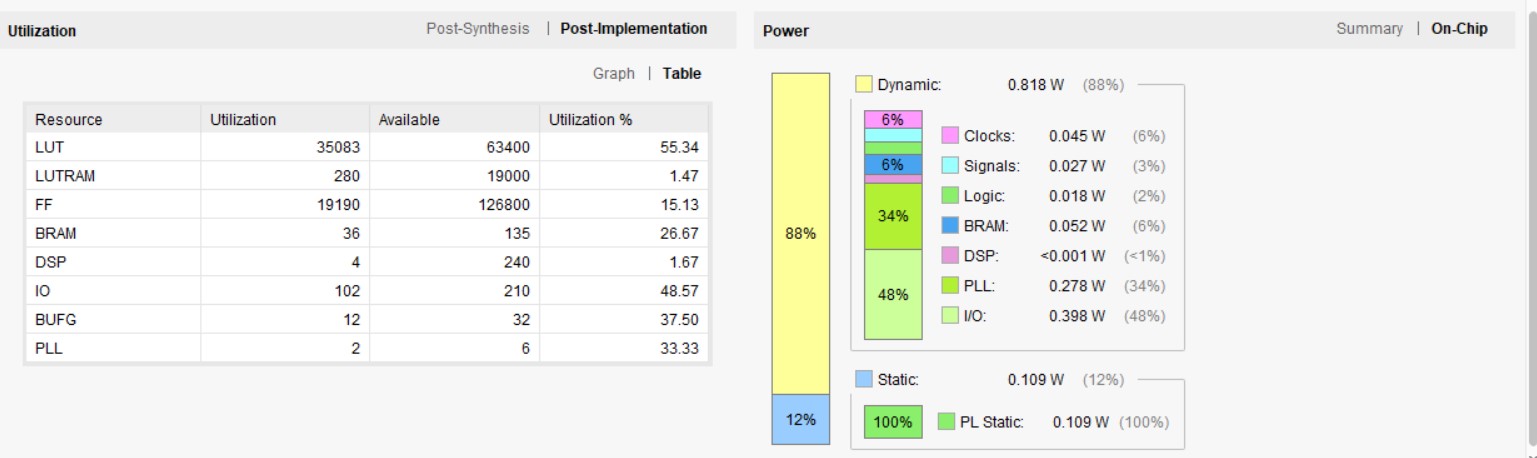
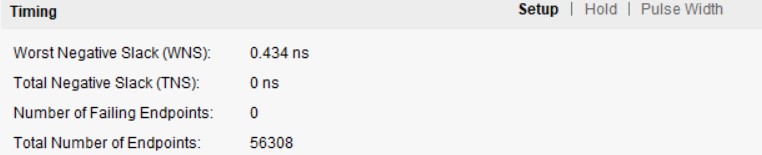
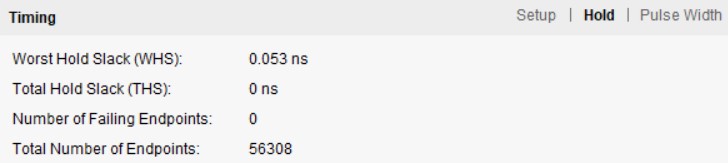
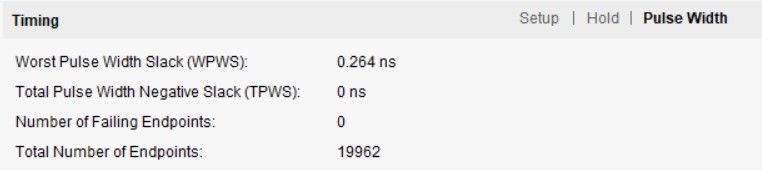
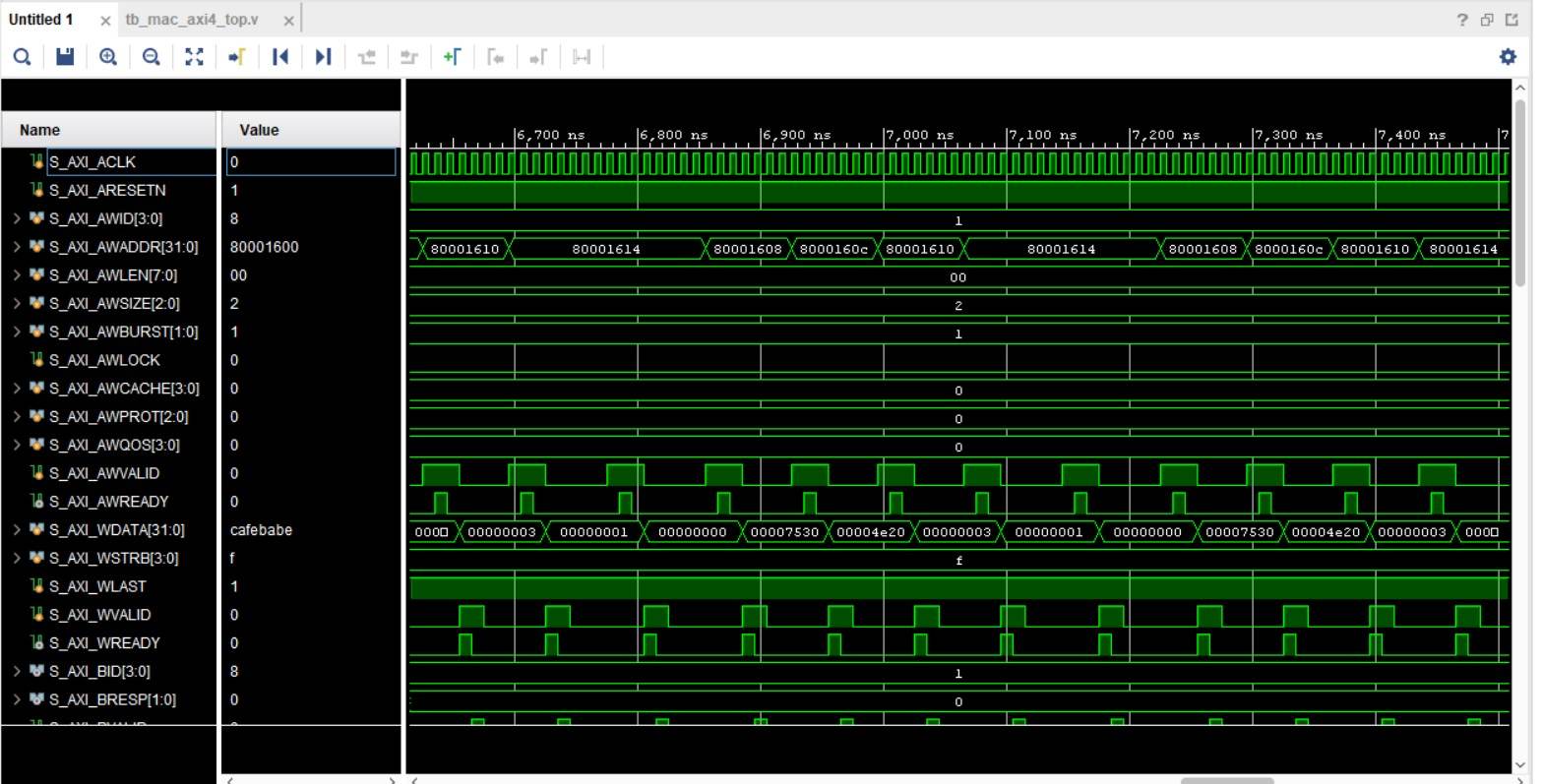
Requirements & Architecture • Defined MAC use-cases (precision modes, control interface) • Mapped accelerator onto AXI4-Full slave model for SweRV EH1 integration RTL Design & Verification • Wrote parameterizable Verilog for multi-precision MAC (2×2–16×16 + accumulate/clear) • Ran functional simulation (ModelSim/Vivado) with directed and randomized test-vectors Integration & System Verification • Wrapped MAC as an AXI4-Full slave and regenerated PULP-Platform interconnect • Created a Vivado SoC project embedding SweRV EH1 + MAC + DRAM controller • Exercised end-to-end MAC calls via C/C++ drivers on the bitstream FPGA Prototyping & Benchmarking • Synthesized on Nexys A7-100T, generated bitstream, and deployed via PlatformIO • Measured throughput and area, demonstrating 4× kernel speed-up with minimal LUT/FF usage
Outcome
- Fully Functional Multi-Mode MAC Accelerator. - Seamless RISC-V Integration - FPGA Implementation - Performance Gain - Verification & Validation - Enables low-cost FPGA acceleration for edge AI and signal processing
Gallery
More from Electrical Engineering
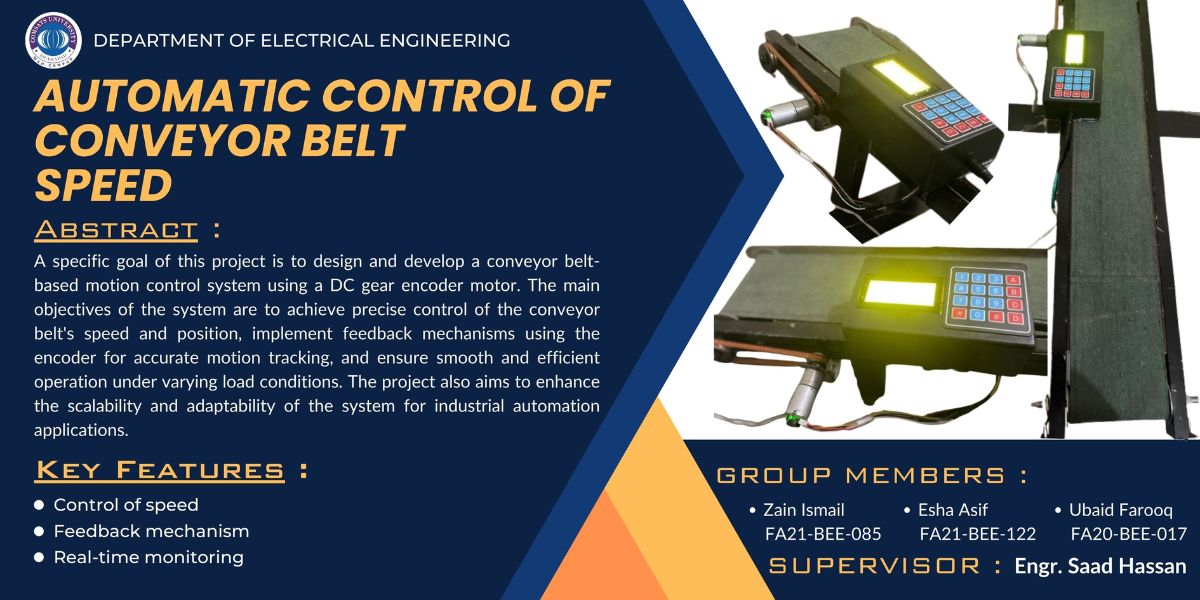
AUTOMATIC CONTROL OF CONVEYOR BELT SPEED
Automatic Control of Conveyor Belt Speed involves a control system (like a microcontroller etc) to monitor var…
Supervisor: Engr. Saad Hassan

Designing a Protection System for Ungrounded Residential HouseHold Appliances
This project focuses on the design and implementation of a cost-effective residential electrical protection sy…
Supervisor: Dr.Sadiq Ahmad

Sensors based Remote Monitoring System for Power lines
This project presents a sensor-based remote monitoring system for power lines, designed to enhance the reliabi…
Supervisor: Engr.Belawal Behram

Solar-Powered Self-Regulating Greenhouse Ecosystem
This project presents a solar-powered self-regulating greenhouse ecosystem designed to automate climate contro…
Supervisor: Dr. Muhammad Iqbal