Objectives
The primary objective of this project is to develop a smart EV charging station suitable for household use, powered by solar energy. It aims to ensure safe and efficient charging through a reliable charge monitoring system. An advanced fire prevention mechanism is integrated to enhance overall system safety. The solution supports both solar and AC hybrid energy inputs to provide continuous operation. This design contributes toward global sustainability efforts by promoting clean energy use and reducing dependence on fossil fuels.
Socio-Economic Benefit
The development of Solar Power Electric Vehicle (EV) Charging Stations with an Automated Fire Resistance System offers significant socio-economic advantages, promoting sustainability and safety while fostering economic growth. The integration of solar power into EV charging infrastructure reduces reliance on fossil fuels, cuts carbon emissions, and aligns with global sustainability goals.
1. Environmental Sustainability and Cost-Effectiveness
Solar-powered EV charging stations provide a clean, renewable energy source, reducing dependence on the grid and lowering greenhouse gas emissions. This contributes to mitigating climate change while offering long-term cost savings. The initial investment in solar infrastructure can be recouped over time through reduced energy bills, making it a financially viable option for businesses and consumers alike. As more EVs are adopted, the demand for clean charging options will increase, supporting the shift toward electric mobility.
2. Job Creation and Economic Growth
The solar energy and EV charging sectors create a variety of jobs, from solar panel manufacturing and installation to maintenance and fire safety technology development. Local economies benefit from the creation of skilled positions in engineering, renewable energy, and safety management. Additionally, supporting industries such as battery production and electric vehicle manufacturing will experience increased demand, boosting regional economic growth.
3. Public Safety and Risk Mitigation
The automated fire resistance system reduces the risk of fires in EV batteries during charging, enhancing public safety. Fires caused by lithium-ion batteries can lead to significant property damage and personal injury. By preventing these risks, the system ensures the safety of users and surrounding areas, lowering the economic costs associated with fire incidents, such as insurance claims and legal liabilities. This also boosts consumer confidence in EV technology.
4. Encouraging Electric Vehicle Adoption
The availability of a reliable, safe, and cost-effective charging infrastructure will encourage more consumers to adopt electric vehicles. This, in turn, supports the reduction of air pollution and transportation-related carbon emissions. A robust charging network also promotes the growth of related industries, including battery production, and accelerates the transition to a clean energy economy.
5. Energy Independence and Security
Solar-powered EV charging stations provide energy independence, especially in remote or off-grid locations. By generating electricity from sunlight, these stations reduce reliance on imported fossil fuels and provide consistent, sustainable energy. This enhances energy security and stabilizes energy prices, benefiting both businesses and consumers.
Methodologies
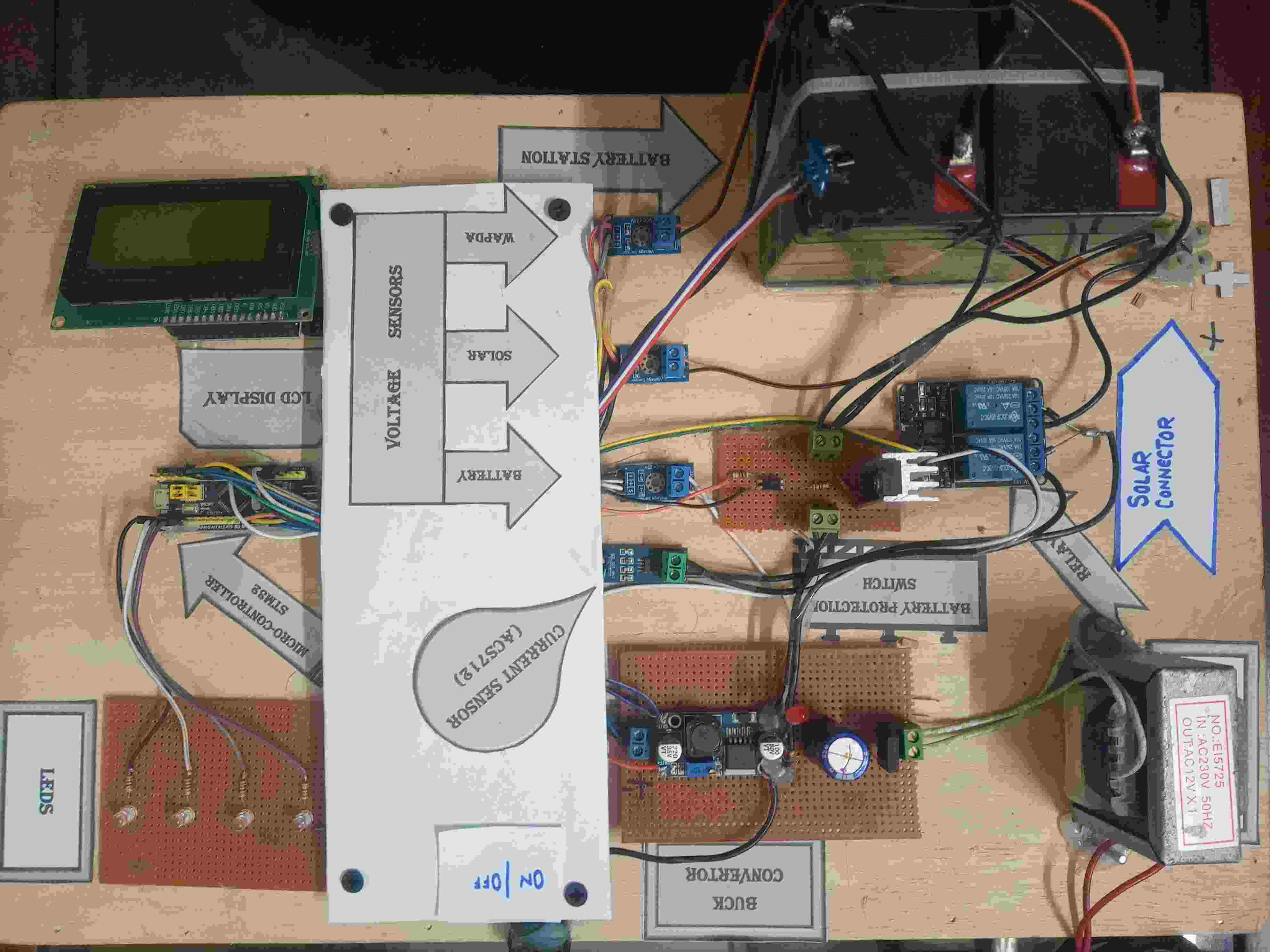
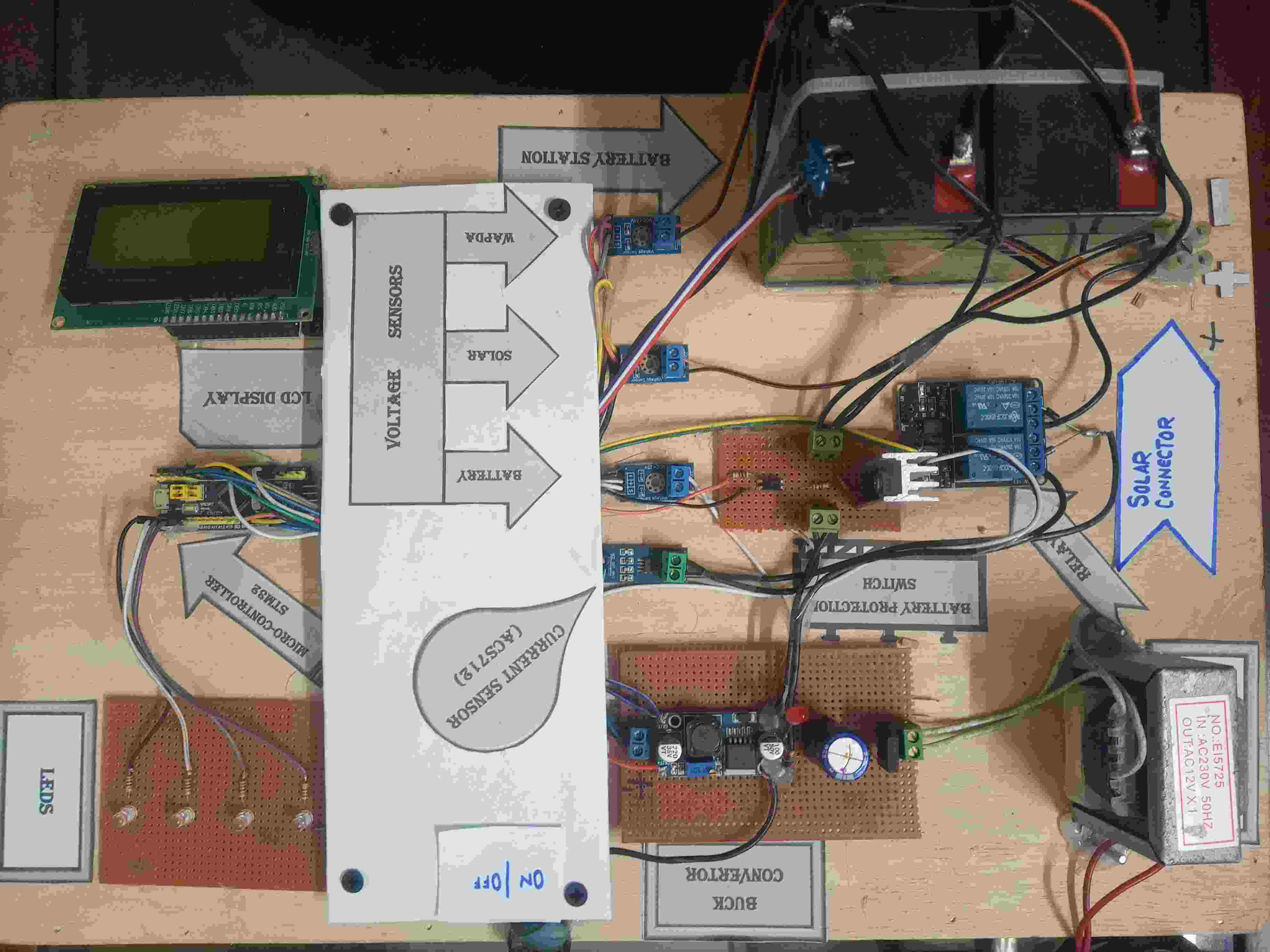
The project follows a systematic approach to design and implement a solar-powered electric vehicle (EV) charging station integrated with an automated fire resistance system. The development begins with assessing the power requirements of a standard EV battery and selecting appropriate solar panels to meet those needs. A solar charge controller is used to regulate the voltage and current from the panels, and when solar energy is insufficient, the system automatically switches to grid power via a relay-controlled transfer mechanism.
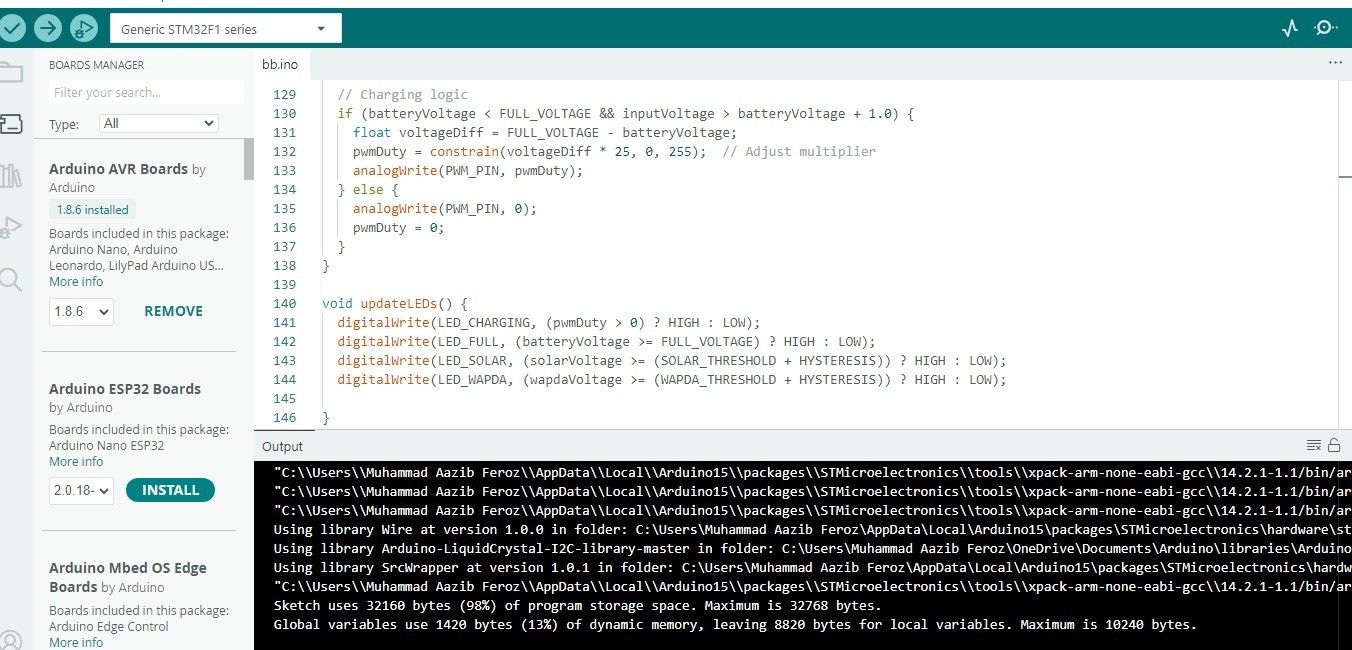
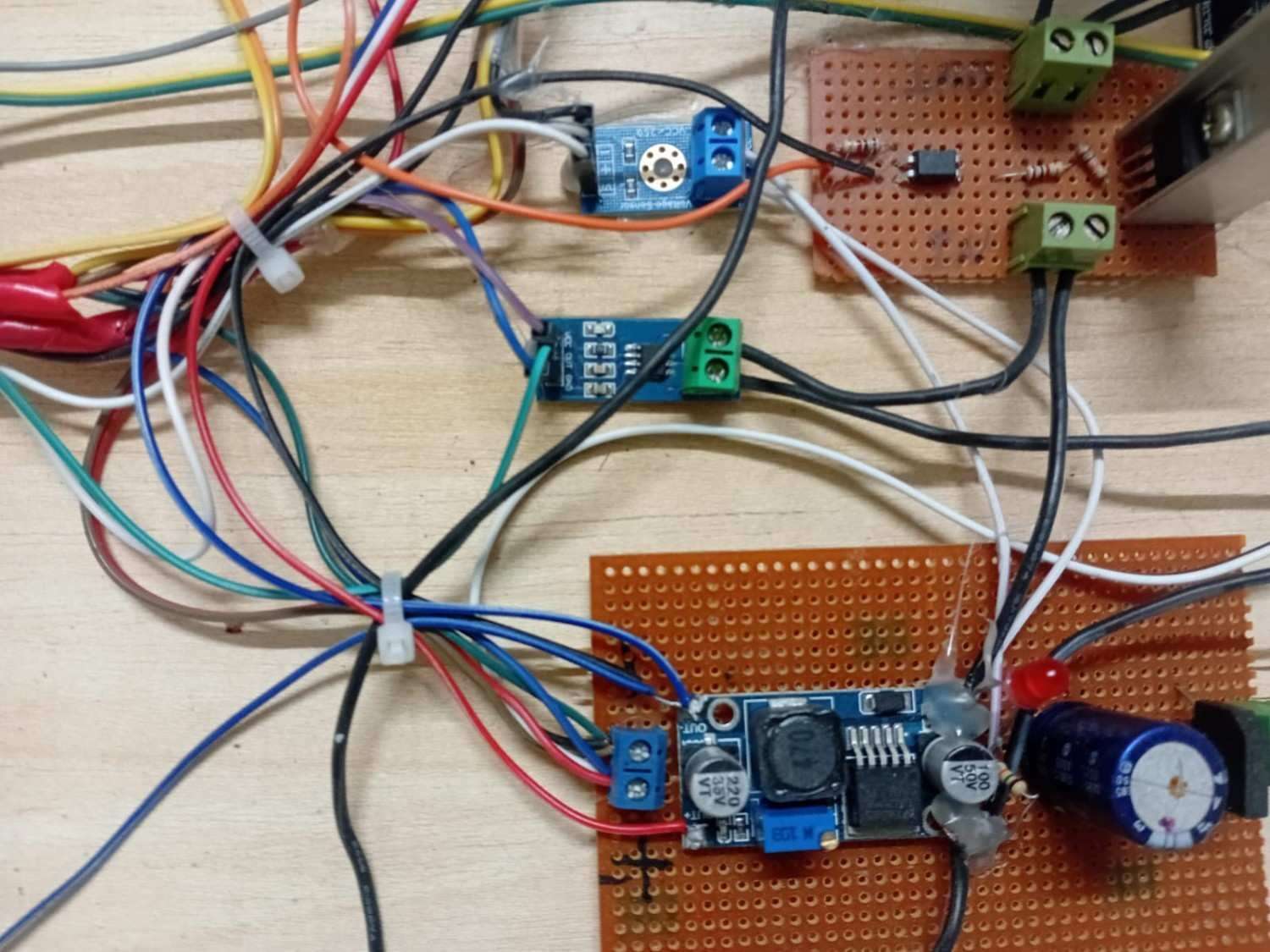
To ensure stable charging, buck and boost converters are incorporated to manage voltage fluctuations and provide a constant output suitable for EV battery charging. The switching logic is handled by a microcontroller, which also monitors input power sources and battery parameters.
A custom Battery Management System (BMS) is developed to continuously monitor battery voltage, current, and temperature. The sensors are interfaced with the microcontroller, which processes real-time data and takes corrective action if any parameter exceeds safe limits. For safety, an automated cutoff mechanism is implemented that disconnect the battery from the power supply in case of overvoltage, overcurrent.
The system also includes an LCD display for status indication and diagnostics. Testing is conducted under various conditions to validate the reliability of the switching system, the accuracy of the BMS, and the effectiveness of the fire resistance mechanism. The complete setup is optimized for energy efficiency, safety, and sustainability, aligning with modern EV infrastructure need
Outcome
The implementation of the Solar Powered Electric Vehicle Charging Station with Automated Fire Resistance System led to several significant outcomes:
Efficient Dual Power Utilization: The system successfully utilized solar energy as the primary power source, with a seamless switch to grid supply during low solar availability. This ensured uninterrupted EV charging and reduced dependence on non-renewable energy.
Stable and Controlled Charging: With the integration of buck and boost converters, the output voltage was regulated effectively to suit EV battery charging requirements, improving energy efficiency and system performance.
Real-time Monitoring and Safety: The custom-built Battery Management System (BMS) accurately monitored battery voltage, current, and temperature. It enabled proactive responses to anomalies through an automated cutoff system, enhancing safety and preventing battery damage or fire hazards.
Automated Fire Resistance: The system demonstrated effective fire prevention by alerting use when unsafe conditions were detected, showcasing the reliability of the safety mechanism under simulated fault conditions.
Sustainability and Cost-effectiveness: By prioritizing solar energy, the system promoted clean energy use and presented a cost-effective alternative to grid-only charging stations, aligning with green technology goals.