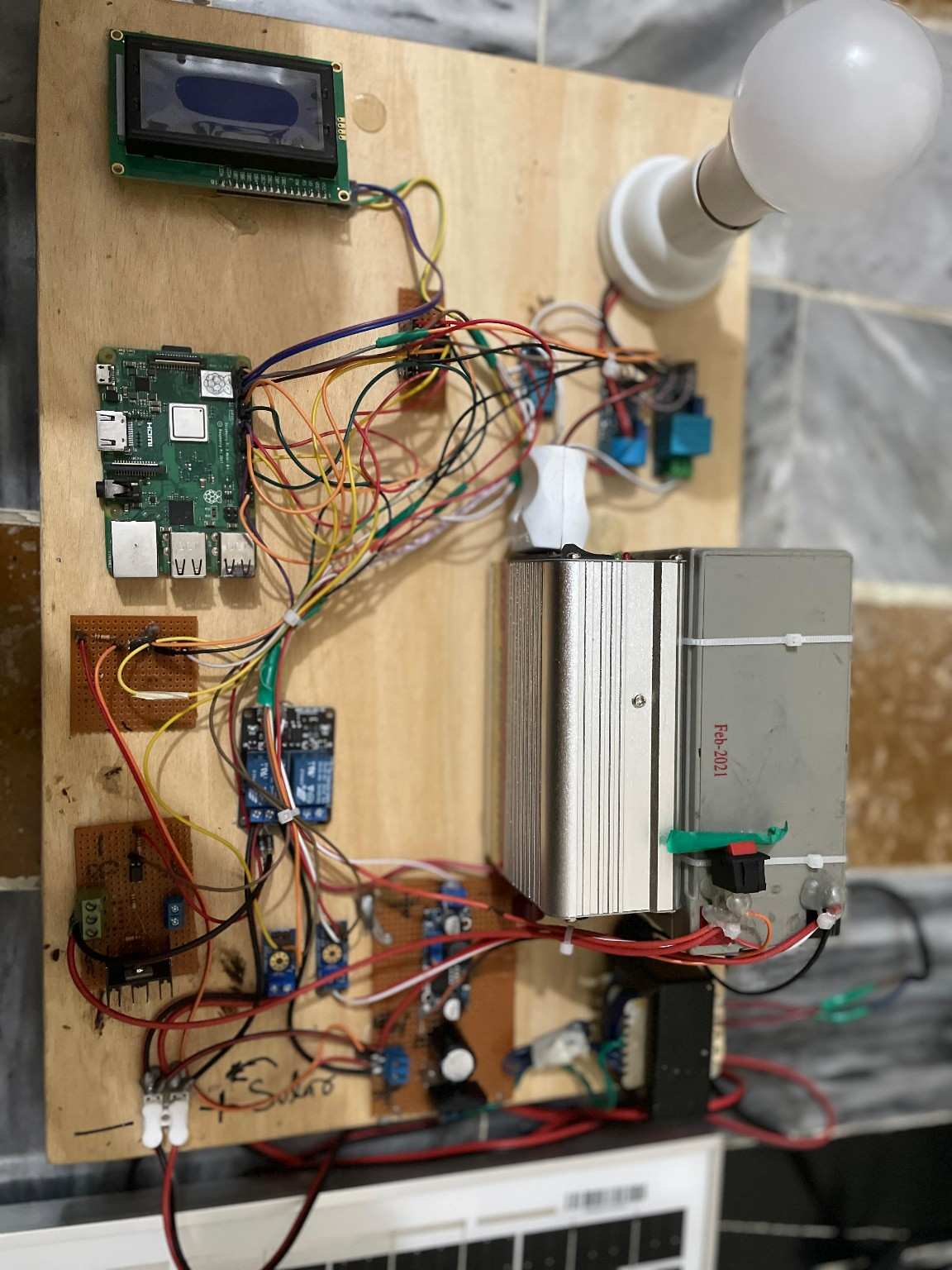
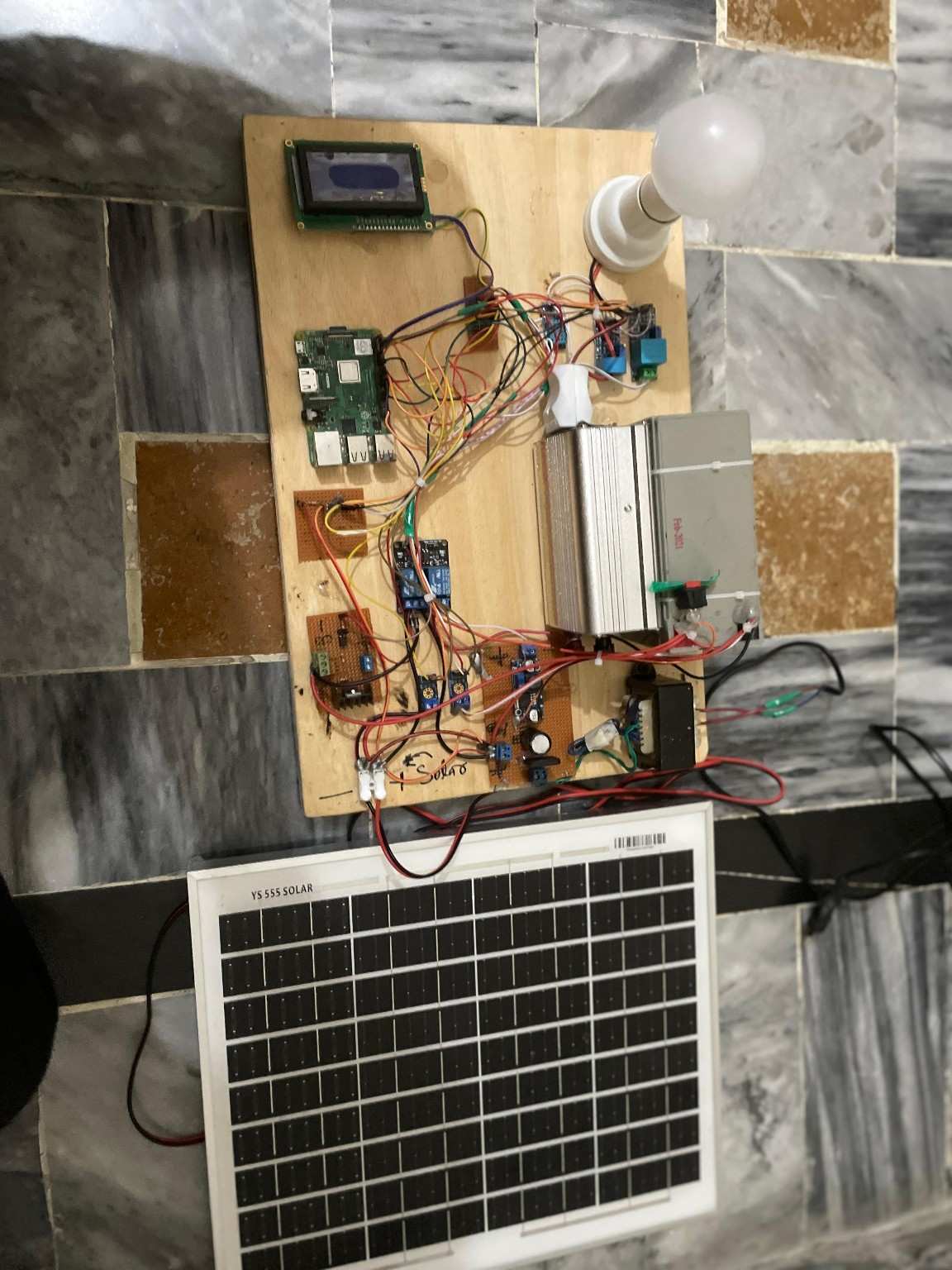
AI-Driven Energy Optimization: Balancing Solar and Utility Power is a smart energy management system designed to efficiently manage and optimize the usage of solar and utility power. The system collects real-time data using sensors like voltage, current, temperature, and humidity sensors. A Raspberry Pi acts as the central controller, running AI algorithms to predict solar energy availability and energy demand. Based on these predictions, the system intelligently switches between solar power, utility power, and battery (if used) to ensure cost-effective, reliable, and eco-friendly energy usage. The main goal is to reduce dependency on expensive utility power, maximize solar energy usage, and maintain a continuous power supply through smart automation.
Objectives
The objective of this project is to develop an intelligent energy management system that efficiently balances solar and utility power using AI techniques.
1. The main goal is to reduce electricity costs by prioritizing the use of solar energy whenever available, while ensuring a reliable and uninterrupted power supply.
2. By using machine learning algorithms, the system predicts both solar power generation and energy demand, enabling real-time decision-making for optimal energy source selection.
3. This helps minimize reliance on grid electricity, especially during peak hours, and promotes the use of renewable energy sources.
4. Additionally, the system aims to overcome the limitations of manual and rule-based switching by introducing smart automation for energy flow control.
Socio-Economic Benefit
This project provides significant socio-economic benefits by promoting the use of renewable solar energy, which leads to reduced dependence on expensive grid electricity and helps lower electricity bills for households and small businesses. It contributes to energy sustainability by encouraging clean energy use, which in turn reduces carbon emissions and environmental impact.
From a social perspective, it ensures continuous and reliable power supply, improving quality of life in areas with frequent power outages.
Economically, it supports energy efficiency and cost savings, especially for middle- and lower-income communities. Additionally, the implementation of AI-driven systems opens opportunities for technological education and skill development, paving the way for smarter and more sustainable energy solutions in developing regions.
Methodologies
The methodology of this project involves a systematic approach combining hardware integration, data collection, AI modeling, and real-time control. Initially, sensors such as voltage sensors, current sensors, and environmental sensors (like DHT11) are installed to continuously monitor solar power generation, energy demand, and environmental conditions. These real-time data streams are sent to a Raspberry Pi, which acts as the central processing unit. The collected data is then preprocessed—cleaned, filtered, and structured into a time-series format—for use in AI models.
A machine learning algorithm (e.g., Decision Tree) is trained using historical and real-time data to predict solar power availability and energy demand. Based on the predictions, the optimization model dynamically decides the most cost-effective and reliable power source—solar, utility, or battery.
Relay circuits are then triggered by the Raspberry Pi to switch between the sources accordingly. This entire process ensures real-time, automated, and intelligent energy management, enhancing system efficiency and reliability.
Outcome
The project successfully developed a smart energy management system capable of monitoring, predicting, and optimizing the usage of solar and utility power. By using AI algorithms, the system could forecast solar energy availability and energy demand, allowing real-time switching between solar and utility sources through Raspberry Pi. This led to reduced reliance on costly grid electricity, improved utilization of renewable solar energy, and better energy cost savings. The system proved efficient, reliable, and adaptable for residential and small-scale commercial applications, offering a practical solution to energy management challenges.