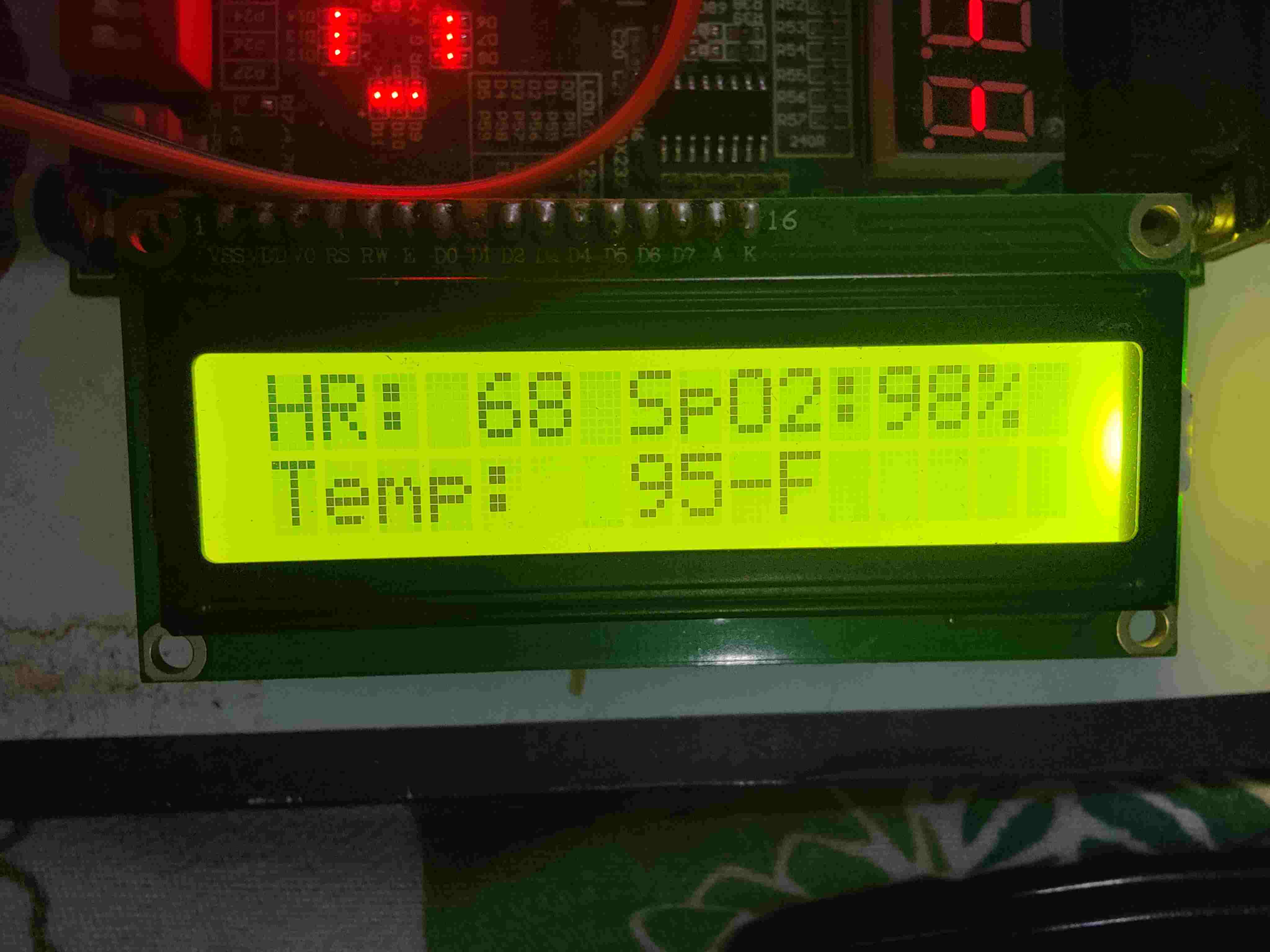
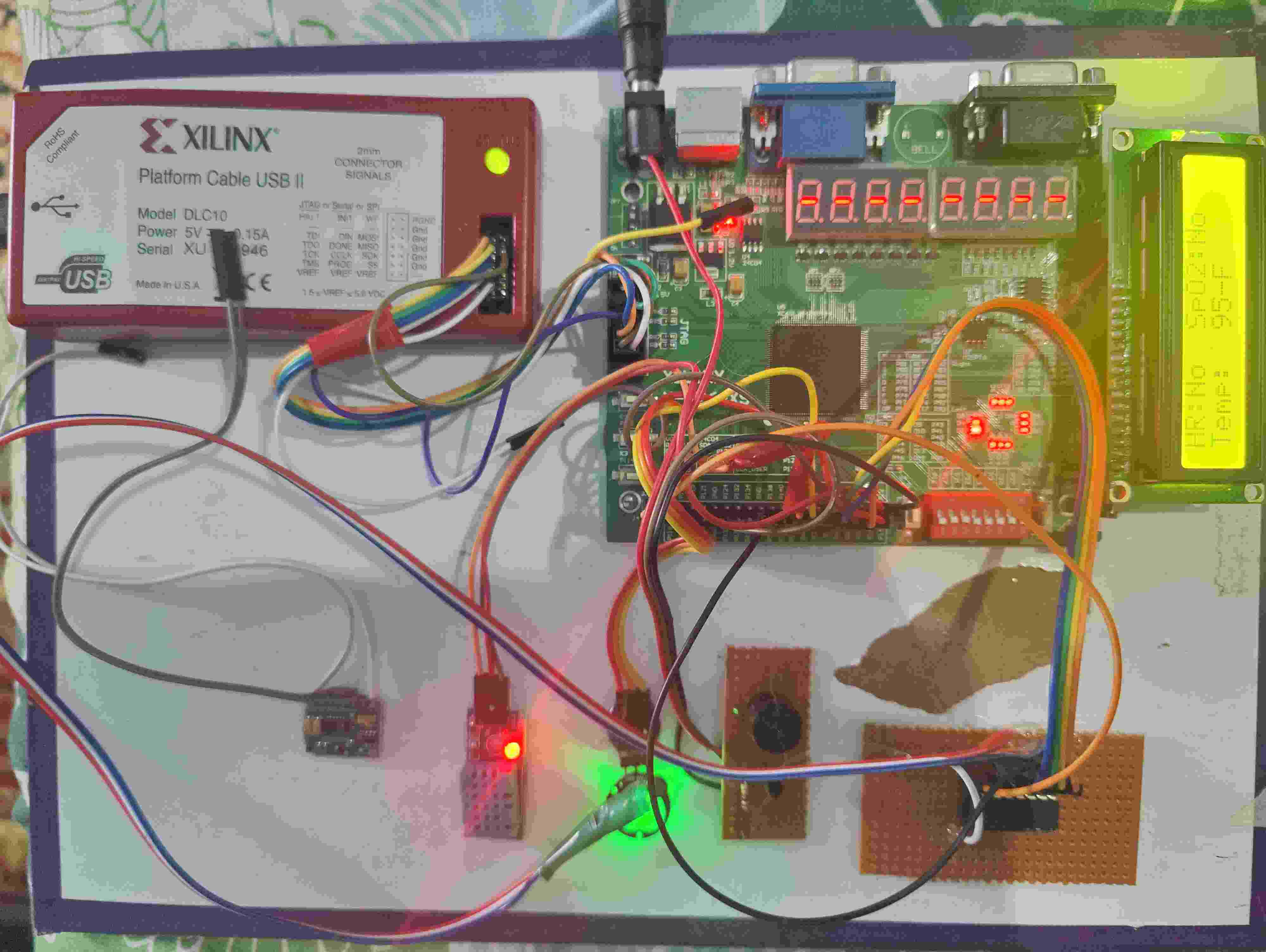
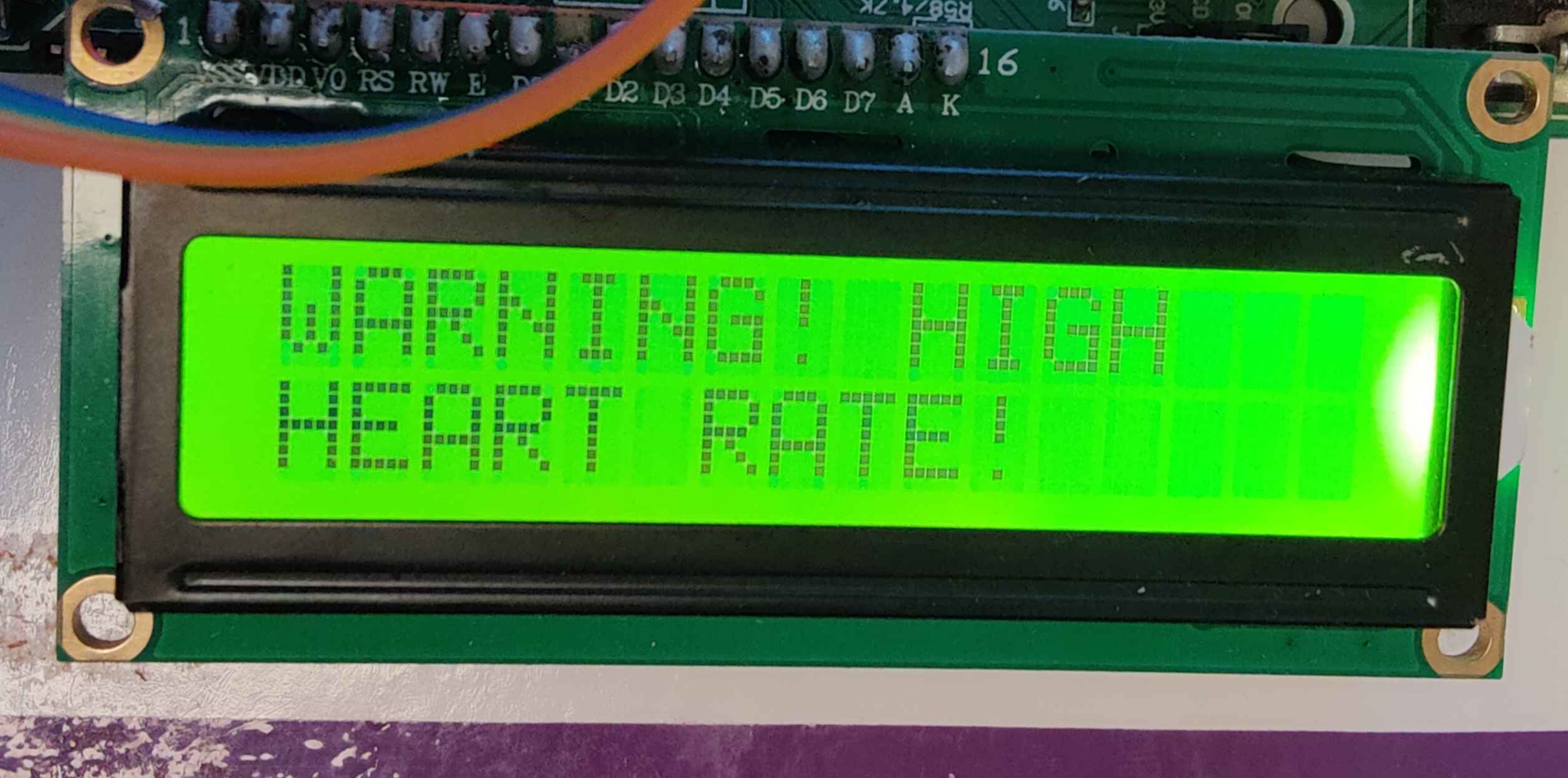
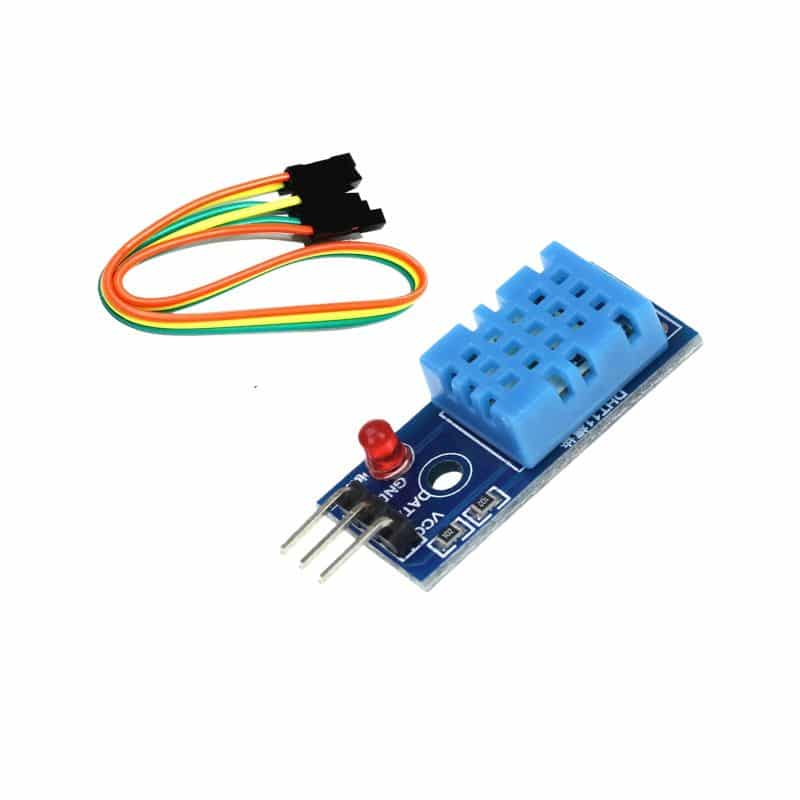
The project Health Monitoring System Using RISC-V Processor on FPGA. It is made to check important health signs like heart rate, ECG, blood pressure, oxygen level (SpO2), and body temperature. We use sensors like MAX30102 to collect this data.The system runs on a RISC-V processor (PicoRV32) that is placed on an FPGA chip. The FPGA processes the data, and the RISC-V processor controls the system. We use Xilinx ISE software to build and test everything using simulations.This system can help in remote health monitoring and is useful for wearable medical devices. It is easy to upgrade by adding more sensors or features in the future.
Objectives
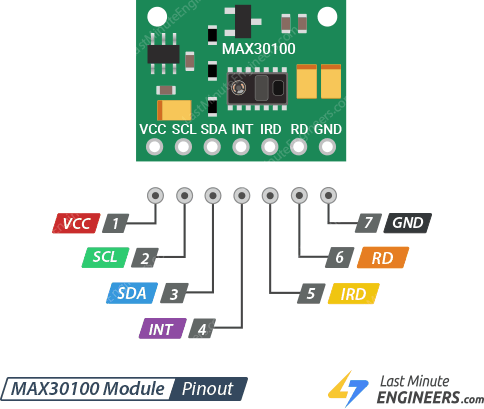
This project is called "Health Monitoring System Using RISC-V Processor on FPGA." It is made to check important health signs like heart rate, ECG, blood pressure, oxygen level (SpO2), and body temperature. We use sensors like MAX30102 to collect this data.
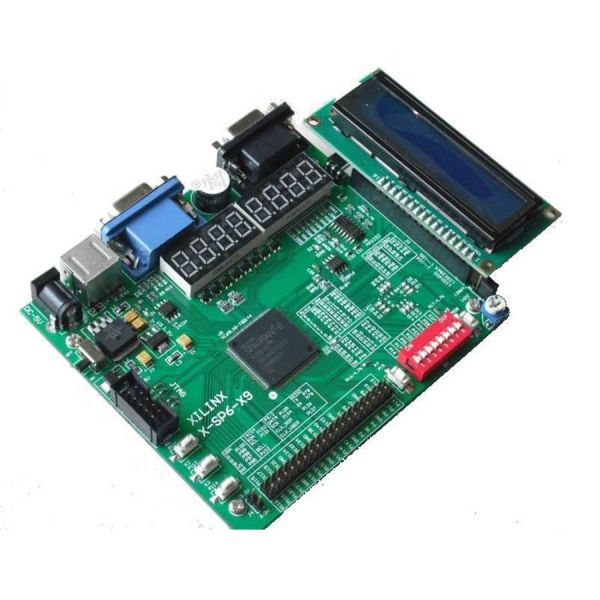
The system runs on a RISC-V processor (PicoRV32) that is placed on an FPGA chip. The FPGA processes the data, and the RISC-V processor controls the system. We use Xilinx ISE software to build and test everything using simulations.
This system can help in remote health monitoring and is useful for wearable medical devices. It is easy to upgrade by adding more sensors or features in the future.
Socio-Economic Benefit
The Health Monitoring System Using RISC-V Processor on FPGA offers several benefits:
Affordable Healthcare
The system uses low-cost technology, making health monitoring more affordable for people in areas with limited access to expensive equipment.
Remote Monitoring
It allows doctors and family members to monitor health from a distance, saving travel costs and helping people in rural or distant areas.
Early Health Detection
By checking health regularly, the system helps find problems early, allowing for cheaper and more effective treatments.
Better Health and Quality of Life
People can track their health at home, improving their well-being and preventing serious health issues.
Support for Local Innovation
The use of open-source technology promotes local research and development in medical technology.
Methodologies
The steps to create the Health Monitoring System Using RISC-V Processor on FPGA are as follows:
System Design
First, we plan the system. This includes choosing the right sensors (like the MAX30102 for heart rate and oxygen level) and picking the FPGA board (like Xilinx Artix-7). The PicoRV32 RISC-V processor will process the data from the sensors.
Building the Hardware
Next, we set up the hardware on the FPGA. We connect the sensors to the FPGA and program it using Xilinx ISE software.
Writing the Software
Then, we write the software to control the system. This software makes the processor collect data from the sensors, process it, and show the results.
Testing the System
After everything is set up, we test the system to make sure it works properly and the sensors give accurate readings.
Fixing Issues and Improving Performance
If any problems are found during testing, we fix them. We also improve the system to make it faster, more accurate, and use less power.
Future Upgrades
The system is designed to be easily upgraded. In the future, we can add more features like wireless communication.
Outcome
The Health Monitoring System Using RISC-V Processor on FPGA will create a system that can measure and show important health information in real-time. The main results are:
Real-Time Health Monitoring
The system will collect and show health data like heart rate, ECG, blood pressure, body temperature, and oxygen levels (SpO2).
Low-Cost and Fast
The system is affordable and works efficiently using RISC-V and FPGA technology.
Flexible and Upgradable
The system is easy to upgrade. You can add more sensors or features, like wireless communication, in the future.
Can Be Used in Wearable Devices
The system can be made into a wearable device, which can help people track their health anywhere.
Better Healthcare
This system helps people monitor their health regularly. It can help detect health problems early and reduce the need for frequent doctor visits.