Lentify Rental App System
Description
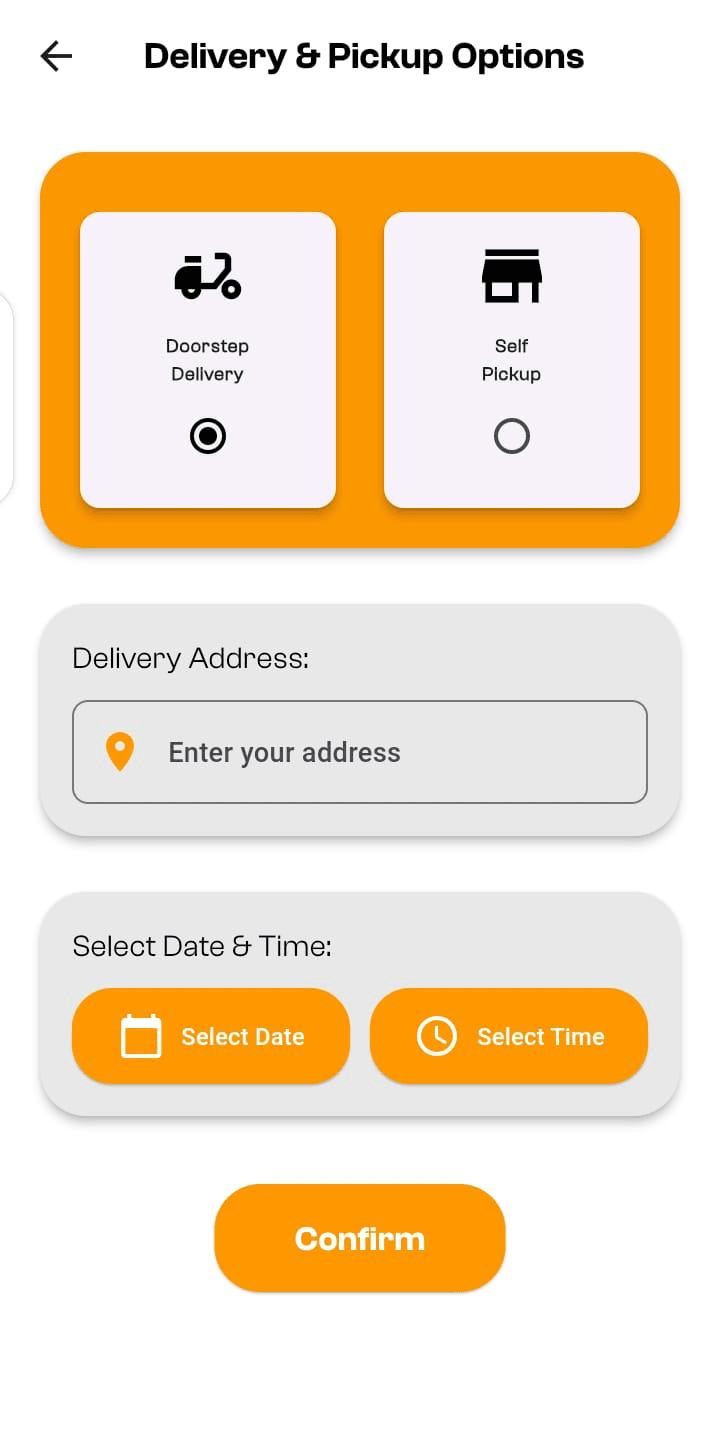
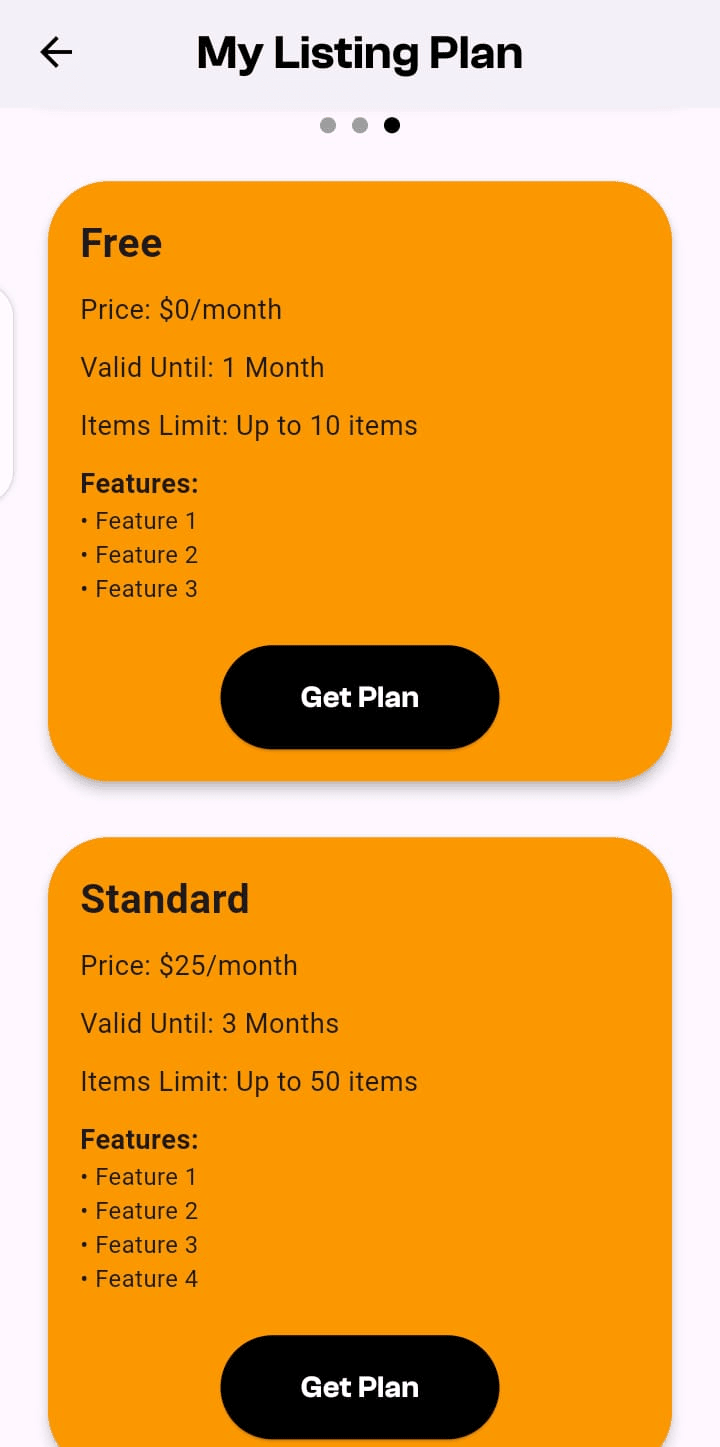
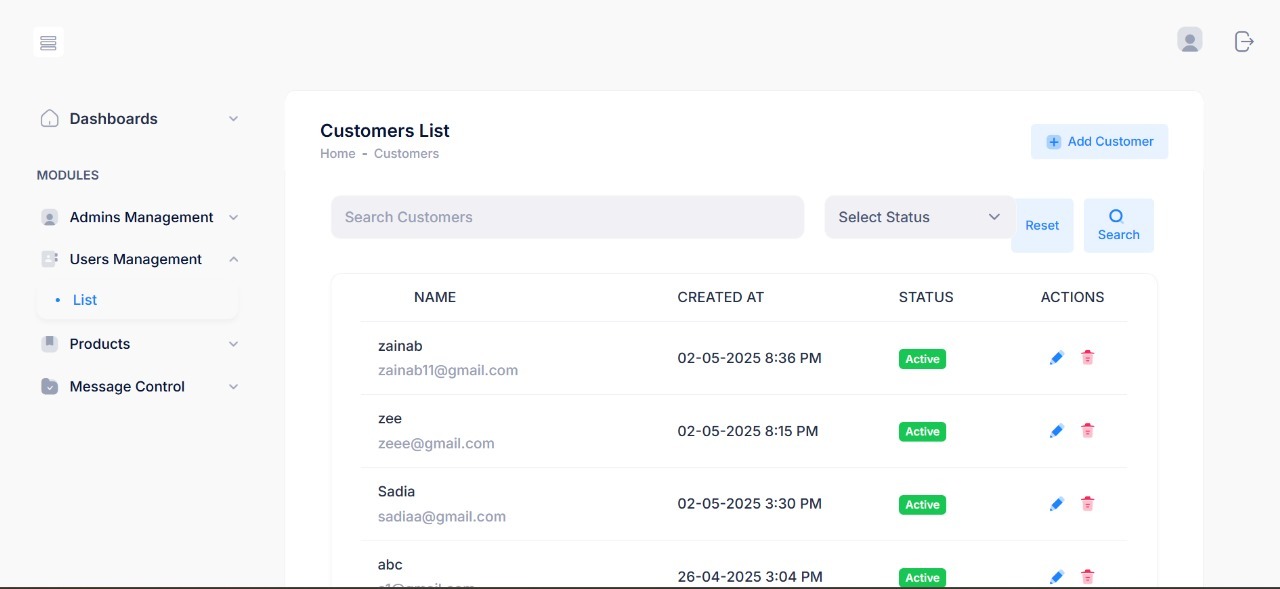
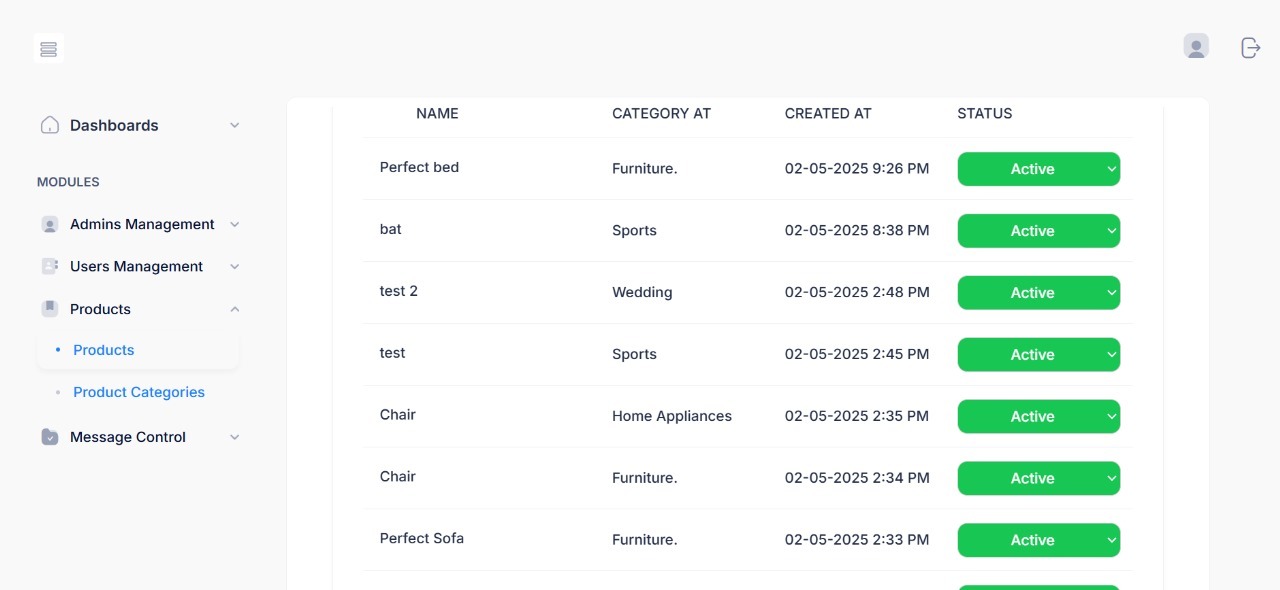
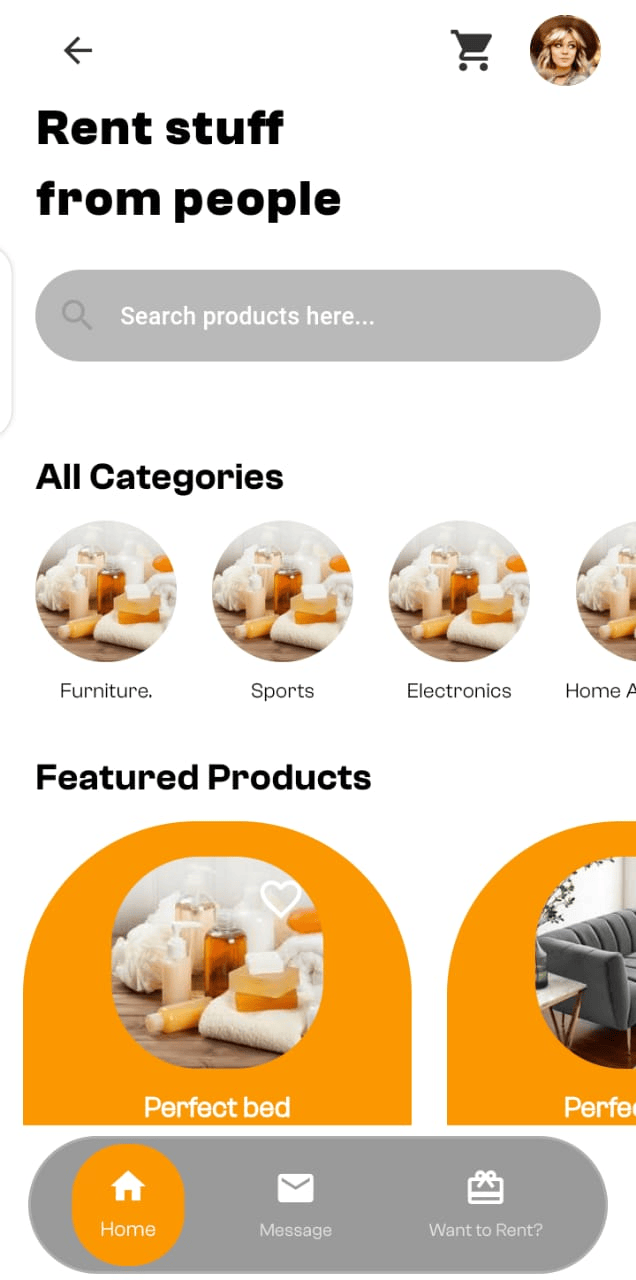
Lentify (Al-Ma’un) is a smart rental platform in Pakistan that connects people who need items for short-term use with those who have underused items to lend. From students and professionals to event organizers and homeowners, anyone can save money or earn extra income by renting or lending items like tools, appliances, or event supplies.The app promotes a sustainable sharing economy by reducing waste and maximizing resource use. Key features include user ratings and reviews to ensure trust, safety, and reliable transactions. Lentify makes borrowing and lending easy, secure, and beneficial for all.
Objectives
To develop a user-friendly rental platform that connects individuals in Pakistan who need short-term access to items with those who own underused resources, promoting a cost-effective, secure, and sustainable sharing economy through smart technology and trust-based features.
Socio-economic benefit
Income Generation: Allows users to earn money by renting out unused items. Cost Savings: Enables affordable access to tools and equipment for users who can’t afford to buy them. Job Opportunities: Encourages micro-entrepreneurship and part-time income streams. Waste Reduction: Promotes reuse and resource-sharing, reducing the need for new purchases. Community Empowerment: Fosters collaboration and trust within communities. Environmental Impact: Minimizes overconsumption and supports sustainable living. Digital Inclusion: Encourages digital adoption among diverse social groups in Pakistan.
Methodologies
To ensure the successful development and delivery of Lentify (Al-Ma’un), the following software development methodologies and practices were employed: Agile Methodology: Agile was adopted to allow for flexible and adaptive planning, iterative development, early delivery, and continuous improvement. This helped the team respond quickly to user feedback and evolving project requirements. Scrum Framework: Scrum, an Agile subset, was used for managing development tasks in short, manageable sprints. This included sprint planning, daily stand-ups, sprint reviews, and retrospectives, allowing for steady progress and clear communication among team members. Iterative Development: The application was developed in small functional increments. Each iteration included designing, coding, testing, and reviewing, enabling early detection of issues and continuous enhancement of features. Continuous Integration (CI): CI practices were implemented to automatically test and merge code changes into a shared repository, ensuring that the application remained stable and error-free throughout development. Test-Driven Development (TDD): TDD was used to write tests before developing the actual features. This improved code quality, reduced bugs, and ensured that the app’s core functionalities met predefined requirements. Testing and Evaluation: Rigorous testing, including unit testing, integration testing, and user acceptance testing (UAT), was conducted at various stages to ensure functionality, usability, and performance. Continuous evaluation helped maintain high software quality. Frontend Development: The frontend was developed using Flutter, enabling a smooth, cross-platform user interface for both Android and iOS. Emphasis was placed on responsive design, user experience (UX), and intuitive interaction, ensuring accessibility and ease of use.
Outcome
Lentify (Al-Ma’un) successfully delivers a fully functional, cross-platform mobile application that enables users across Pakistan to rent and lend items conveniently. The app provides a secure and efficient way to connect individuals with underused resources to those in temporary need. It features user authentication, secure payment integration, real-time notifications, and a feedback system to build trust and reliability. The platform supports a wide range of categories such as tools, event supplies, and household items, promoting cost savings, income generation, and reduced consumer waste. As a result, Lentify not only addresses economic challenges but also contributes to environmental sustainability and strengthens community cooperation through a technology-driven sharing economy.
Gallery
More from Computer Science
Trimix: Cut, Clip & Create
TriMix falls under the AI & Video Content Automation track. It’s a web-based application tailored for influenc…
Supervisor: Mr Sabeeh Ahmed Saeed

HorizonTech: Academic Management System for Horizon Institute of Health Sciences
HorizonTech is a web-based academic management system developed for the Horizon Institute of Health Sciences.…
Supervisor: DR. WASIF NISAR
STREAMLINE SUBMISSION AND REVISION OF FYP FOR OPEN HOUSE
FYP Quality Testing Portal is a web-based system that manages and automates the final submission and review of…
Supervisor: Sania Umer

The Hungry Hustler
The Hungry Hustler project is a smart restaurant management system designed to digitize and optimize the opera…
Supervisor: Beenish Noor